

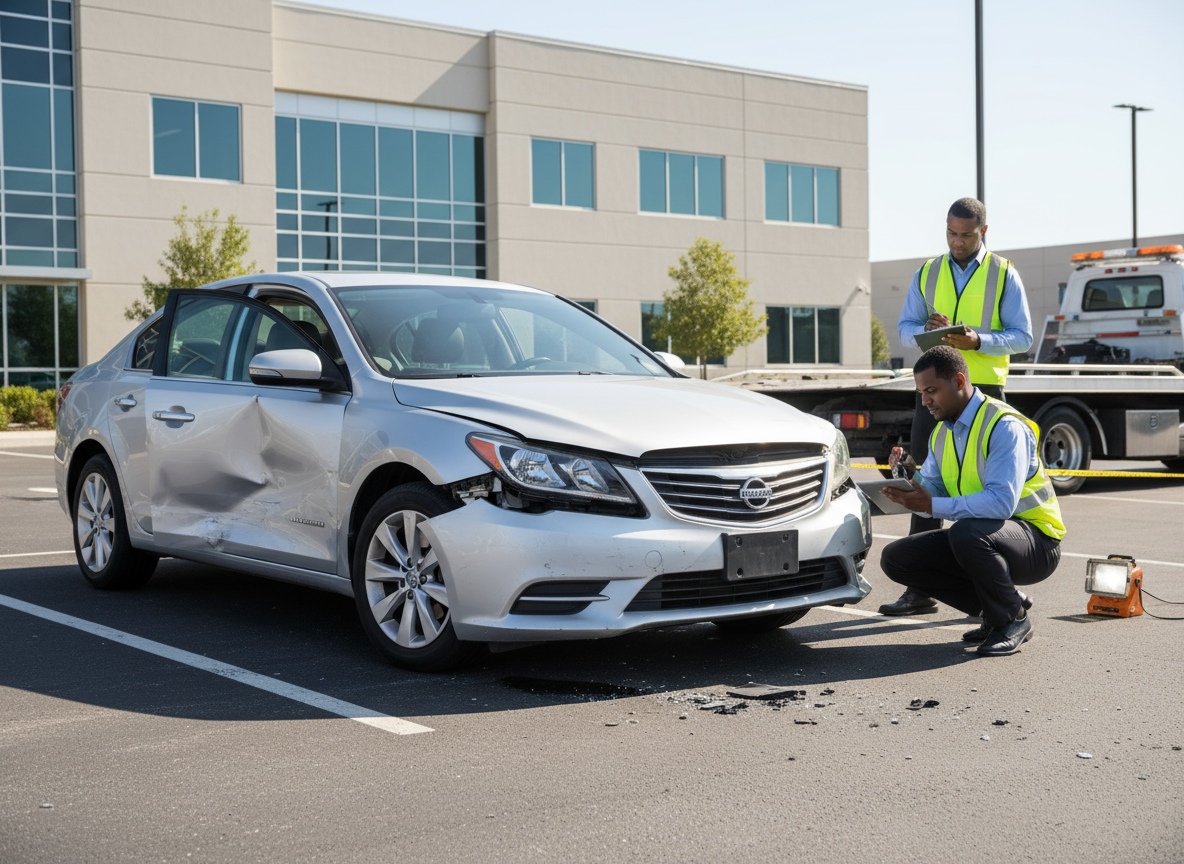
Accidents have a nasty way of turning an ordinary day upside down. One moment you’re on your way home, the next you’re staring at a twisted wing mirror or a bonnet that won’t shut properly. The car you trusted yesterday suddenly looks tired, and now you’ve got to figure out what happens next.
That’s not an easy decision. But whether the damage is minor or the car’s a total loss, you’ve got choices. You can repair it, scrap it, or sell a damaged car and move on. Each route has its pros and cons, and the trick is working out which one suits you best.
Understanding your car’s condition
Before you can do anything else, you need to be honest about what you’re dealing with. Is it a scuff on the bumper, or has the crash bent the chassis? That difference will decide whether the car’s worth repairing or whether it’s time to let it go.
Checking over the damage
Start by giving it a proper inspection. Look for:
- Apparent panel damage – doors, wings, bonnet.
- Mechanical issues – steering feel, suspension knocks, leaking fluids.
- Lights, electrics, and interior functions.
Write everything down, even the little bits that seem minor. And take plenty of photos. Not just one or two. Snap every angle, inside and out. That way, when you speak to insurers, salvage yards, or anyone looking to buy, you’ve got proof in your pocket.
The accident will lower the car’s value, no two ways about it. But full disclosure earns trust, and trust can mean better offers.
How insurers classify damage
If the accident’s bad enough, insurers may “write off” your car. That doesn’t always mean it’s bound for the scrapheap, but it does mean they’ve judged it uneconomical to repair. They’ll place it in one of four categories:
- Category A – The end of the road. Nothing salvageable. Must be crushed.
- Category B – The shell is finished, but usable parts may be removed and sold on.
- Category S – Structural damage that can be repaired, though it’ll need to pass inspection before it’s back on the road.
- Category N – Non-structural issues (electrical faults, cosmetic dents, etc.). Still needs fixing, but less severe.
Knowing which category applies to your car shapes your next move.
Your options for selling
Once you’ve worked out what shape the car’s in, the next step is deciding how to shift it. Depending on time, money, and appetite for hassle, you’ve got a few avenues open.
Selling to a salvage yard
Salvage yards specialise in taking on damaged cars. They strip what’s usable, recycle what isn’t, and give you a payout based on the weight, parts, and scrap value.
The upside? It’s quick. You can get a quote to scrap your car and often have it collected within days. The downside? You won’t get top money. But if the car’s a total loss, it’s usually the most straightforward way forward.
Selling privately
Selling privately takes more patience. You’ll need to list it online, be transparent about the damage, and field messages from interested buyers. Some will be hobbyists looking for a project. Others may want parts.
- Upside: You might fetch more than salvage value.
- Downside: It can take weeks, and you’ll deal with time-wasters along the way.
Selling to a dealer
Specific dealers will buy accident-damaged cars. Usually, they’ll fix them and resell. It’s worth asking around local garages or traders, though offers may be lower since they need to leave room for profit.
Returning the car to the finance company
If the car’s on finance, you’ll need to involve the lender. In some cases, they’ll repossess the vehicle. In others, you’ll still owe the outstanding balance even if the car’s gone. Always check the contract before making moves.
How to squeeze more value from a damaged car
Even if it looks sorry for itself, a damaged car isn’t worthless. With the right approach, you can walk away with more than the first offer.
Gather multiple quotes
Don’t take the first price you’re offered. Call around salvage yards, dealers, and even parts buyers. It’s common to see offers vary by hundreds of pounds.
Highlight what still works.
Buyers care about usable parts. If the gearbox shifts cleanly, mention it. If the wheels are nearly new, point it out. Cars are more than just their dents.
Negotiate properly
There’s always room to haggle. Start higher than you’d accept, then work down. Even clawing back an extra £100–£200 makes a difference.
Keep the paperwork straight.
Make sure you’ve got your V5C logbook ready, and always tell the DVLA when you sell or scrap. For scrapping specifically, see our guide on the documents needed to scrap a car.
Insurance matters
Dealing with insurance after an accident is rarely fun. But understanding how it works can save you money.
Payouts
If your car is declared a write-off, the insurer will offer a payout reflecting the car’s pre-accident value. Often, the first offer is low. Research prices for similar models and push back if you feel short-changed.
Keeping the car
Sometimes, insurers allow you to keep the car even after declaring it a write-off. Your payout will be reduced, but you can then repair or sell accident damaged car for parts. Handy if you’ve got the skills or a buyer lined up.
Cancelling insurance
Once the car’s gone, cancel your policy. You may be entitled to a refund for any unused cover. For the steps, see how to cancel your car insurance after a sale.
A story from the workshop
Years back, a lad came to me with a hatchback that had seen better days. He’d clipped a van, crushed the front end, and thought the car was beyond saving. The insurer had called it a Category S.
I checked under the bonnet, the engine was sound, gearbox still shifted fine. I told him not to take the insurer’s first offer, but to get quotes from salvage yards. He came back a week later, grinning, because he’d doubled the payout just by phoning around.
It was a reminder I’ve seen plenty of times: cars written off on paper can still carry value in the right hands.
Finding someone trustworthy
Not every buyer is out to rip you off, but you’ll want to be careful.
- Look at reviews: Past customers will tell you if a buyer is worth dealing with.
- Ask around: Friends, family, even your local garage might recommend someone.
- Trust your gut: If a deal feels wrong, it probably is.
And if you’d rather avoid the runaround, Sell a Vehicle offers a straightforward way to sell, scrap, or trade in damaged cars without hassle.
The essentials to remember
- Work out the actual condition of the car.
- Learn the insurance categories and what they mean.
- Explore your selling options: salvage, private, dealer, or finance return.
- Collect multiple quotes and highlight usable parts.
- Be firm with insurers and don’t accept the first payout.
- Only sell to reputable buyers
Next steps
Here’s a practical order of business:
- Inspect and document the damage with notes and photos.
- Speak with your insurer and hear their valuation.
- Collect quotes from different yards, dealers, and buyers.
- Decide whether repair, sale, or scrap is the best path.
- Get your paperwork sorted and notify the DVLA when the car changes hands.
If you want help without chasing quotes yourself, get in touch. We’ll handle the hard part and make sure you walk away with a fair deal.