

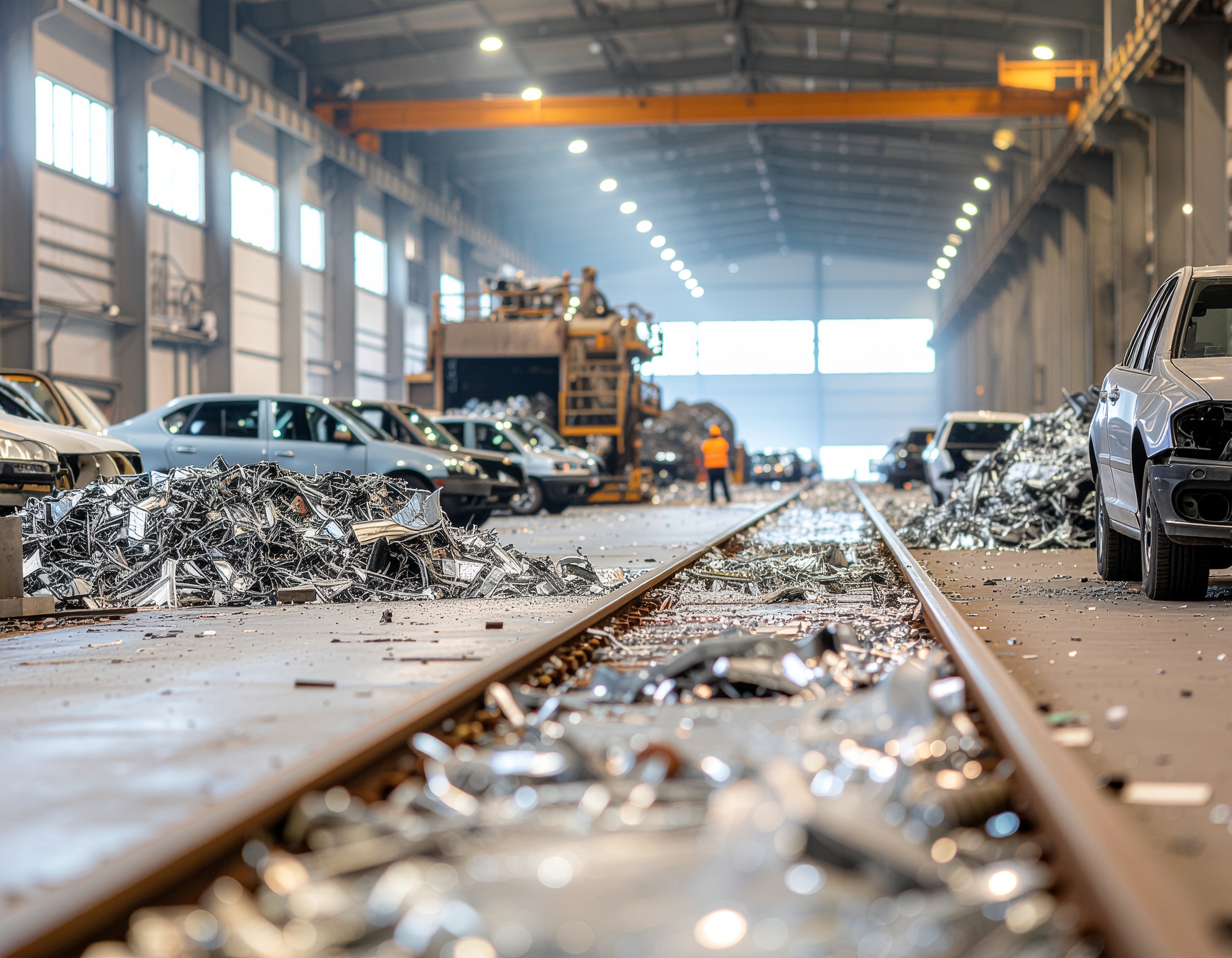
Every year in Britain, thousands of cars reach the end of the line. They fail their MOTs one too many times, blow a head gasket that costs more than the car’s worth, or simply get parked up for good because they can’t keep up with modern emission rules. But an end-of-life car isn’t waste. It’s raw material waiting to be reused, reshaped, and reimagined. That’s the beauty of the vehicle recycling industry.
Let’s walk through how the scrap car recycling process works in the UK, from the moment your old banger is collected to the day its metal finds new life.
The journey to the Authorised Treatment Facility (ATF)
When your car finally gives up the ghost, it doesn’t just disappear. It’s collected and taken to an Authorised Treatment Facility (ATF). Think of an ATF as a dismantling workshop with strict rules, these places are licensed and regulated to ensure everything is done safely and legally.
At this stage, paperwork matters. The ATF will issue a Certificate of Destruction (CoD), confirming that the vehicle is officially off the road and that you’re no longer responsible for it.
Key Points:
- Cars are sent to Authorised Treatment Facilities for dismantling.
- ATFs are licensed and regulated.
- A Certificate of Destruction confirms the car is scrapped correctly.
Depollution: making scrap cars safe
Before a car can be broken down, it must be made safe. This stage is called depollution.
Fluids like oil, coolant, brake fluid, and air-con gases are drained and disposed of properly. Batteries are removed, tyres are stripped, and airbags are carefully dealt with. Without this, toxic chemicals would leak into soil and water.
Anecdote:
I once had a mate who tried draining oil from his knackered Vauxhall Astra on his drive. He didn’t use a tray, and it went everywhere, concrete stained, lawn ruined. Cost him more in clean-up than the car was worth. That’s why ATFs handle this job, they’ve got the kit and the training.
Key Points:
- Depollution removes hazardous fluids and chemicals.
- Batteries, tyres, and airbags are also removed.
- Prevents contamination and protects the environment.
Dismantling and harvesting valuable parts
Once depollution is done, the ATF staff can get to work on dismantling. This is where the scrap car recycling process starts to add value.
Engines, gearboxes, catalytic converters, alternators, headlights, doors, and body panels, all of these may be pulled out and sold on. Many drivers rely on these second-hand parts to keep older vehicles running at a fraction of the cost of new spares.
This practice keeps cars on the road longer, reduces demand for new parts, and helps offset the cost of recycling.
Key Points:
- Usable components are removed and resold.
- Parts include engines, gearboxes, and panels.
- Reuse keeps older cars alive and reduces waste.
Crushing and shredding
What remains after dismantling is the bare shell, mostly steel and mixed materials. This is flattened, then fed into massive shredders. These machines reduce entire vehicles into fist-sized pieces in minutes.
Shredding allows different materials to be separated efficiently in the next stage.
Key Points:
- Cars are crushed and shredded into small pieces.
- Shredding prepares material for separation and recovery.
Materials recovery: turning scrap into new products
After shredding, the materials are sorted. Magnets pull out ferrous metals like steel. Eddy current separators target aluminium and copper. Plastics are sifted and sent for reprocessing.
The bulk, steel, is melted down and used to produce everything from construction beams to new car bodies. Aluminium is remade into cans, wheels, and engine parts. Even plastics can find new life in household products.
This stage makes the vehicle recycling industry so vital, almost 95% of a car by weight can be recovered and reused.
Key Points:
- Magnets and separators sort metals and plastics.
- Steel, aluminium, and copper are recycled into new products.
- Over 90% of a car’s materials are recoverable.
Environmental benefits of car recycling
Recycling cars isn’t just about clearing space in the yard, it’s about reducing harm.
- Less metal goes into landfill, where it would rust and leach chemicals.
- Demand for new steel and aluminium drops, meaning less mining and energy use.
- CO₂ emissions are cut compared to manufacturing new materials from scratch.
For every tonne of steel recycled, around 1.5 tonnes of iron ore and half a tonne of coal are saved. That’s why the scrap car recycling process matters far beyond the scrapyard gate.
The challenges and future of vehicle recycling
Modern cars are clever, but they’re also complicated. Hybrids, electric vehicles, and cars loaded with sensors contain materials that are harder to recycle. Lithium-ion batteries, for example, require specialist treatment.
The industry is adapting fast. Carmakers are beginning to design vehicles with recycling in mind, using modular components, recyclable plastics, and fewer hazardous materials. The UK is also investing in battery recycling plants to cope with the EV boom.
Key Points:
- Newer vehicles are harder to recycle due to complex materials.
- Industry innovations are improving recyclability.
- EV battery recycling will be a major focus in coming years.
Why responsible recycling matters
Dodgy operators still exist. Some yards cut corners, draining fluids into soil or skipping proper depollution. That’s why sticking with licensed ATFs is so important, both legally and environmentally.
Services like Sell a Vehicle connect you directly to trusted buyers and ATFs, guaranteeing your old motor is recycled the right way.
Key takeaways
- The scrap car recycling process begins at an Authorised Treatment Facility.
- Cars are depolluted, dismantled, shredded, and sorted for materials recovery.
- Up to 95% of a car can be recycled.
- Recycling protects the environment, saves resources, and reduces emissions.
- The vehicle recycling industry is evolving to tackle hybrids, EVs, and new materials.
Next steps
If your car is at the end of its road:
- Get a quote to scrap your car with Sell a Vehicle.
- Prepare your paperwork, our guide on the documents needed to scrap a car will help.
- Arrange free collection and let the recycling process begin.
- If you’re based in Greater Manchester or elsewhere, we can help locally, sell your car in Manchester.
- Any questions? You can always get in touch.
Scrapping isn’t the end of a car’s story, it’s the start of another. Your old motor might just come back as a steel beam in a building, a set of tools, or even part of a brand-new car.