

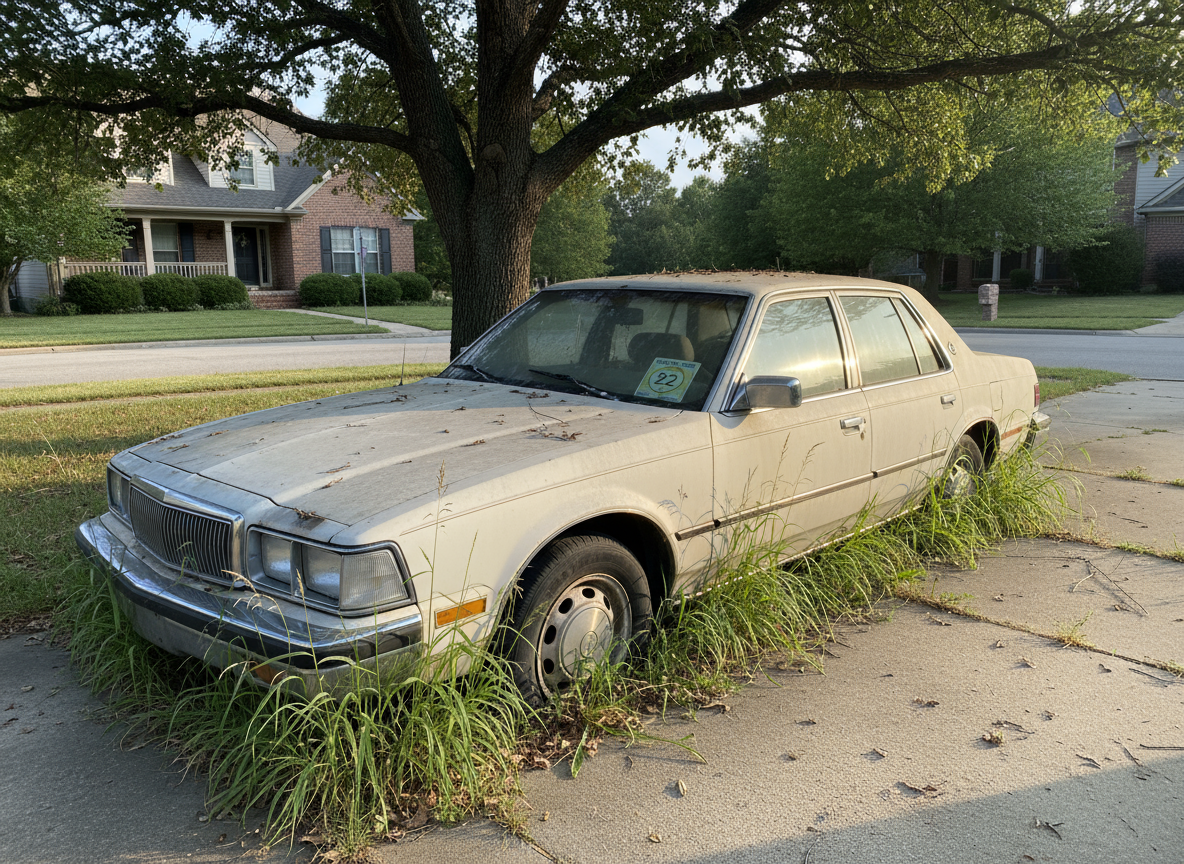
When my mate Dave parked his old hatchback on the drive after it failed its MOT, he thought that was the end of it. The tax had already run out, the repairs were more than the car was worth, and he figured no one would touch it.
But here’s the thing: Dave’s story is far from unique. Every year, thousands of UK drivers are in the same boat, sitting in a car that can’t legally go back on the road. Some think they’ve hit a dead end, but in reality, you can sell car with no MOT or even sell car with no tax.
The trick is knowing how to handle the sale so you avoid legal trouble, wasted time, or rock-bottom offers. Let’s break down the whole picture.
Why this question matters
A valid MOT and tax aren’t just pieces of paper. They’re the stamp of approval that lets your car move legally on public roads. Without them:
- MOT missing → the vehicle is technically unsafe until proven otherwise.
- Tax expired → the vehicle isn’t covered to be used on public roads.
This double whammy makes many owners assume their only choice is scrapping straight away. But as with Dave’s case, there are multiple routes forward. Understanding them could save you a tidy sum.
The legal ground rules
First things first: is it illegal to sell a car without an MOT or tax? No. The law focuses on use, not ownership transfer.
Here’s what you need to know:
- You can advertise and sell a car with no MOT or tax.
- The buyer cannot legally drive it on public roads until they’ve sorted both.
- The car can only be moved by towing, trailer, or recovery vehicle unless it’s being driven to a pre-booked MOT test.
Quick DVLA insight
According to the GOV.UK guidance, failing to keep tax or MOT up to date, can result in fines if the car is used or kept on a public road. But once declared off-road (SORN), you’re in the clear while arranging the sale.
This means you can legally park it on private property while waiting for a buyer, as long as you’ve notified the DVLA.
Why would anyone buy a car like this?
It’s natural to think nobody would touch a vehicle that’s “out of ticket.” But buyers see opportunity where owners see hassle.
- Project hunters – Hobbyists or mechanics looking for a challenge may pay fair money for a car they can repair and MOT themselves.
- Parts and spares – Engines, gearboxes, catalytic converters, and even seats or body panels can all be sold on.
- Scrap and recycling – The metal alone holds value, and services like Sell a Vehicle arrange collection and recycling.
- Farm and estate use – Vehicles driven only on private land don’t need MOT or tax.
Take my neighbour, Mr Henderson. He snapped up an old van with no MOT purely for hauling hay bales around his farm. Never touched a road again, but it served him well for years.
The hidden challenges
While selling is legal, the process has traps if you’re not careful.
Misrepresentation
Failing to disclose the missing MOT or tax is a huge red flag. It counts as misrepresentation and can result in the buyer demanding refunds or even taking legal action.
Unrealistic buyer expectations
Some buyers expect to drive away the same day. Unless they’re equipped with a trailer, that’s impossible. Always make this clear.
Transport logistics
Without MOT or tax, the car can’t just be driven home. You’ll need to remind buyers that towing or professional collection is their responsibility.
Value hit
Missing MOT and tax will drag down the price compared to a fully road-legal car. Expect offers that reflect this reality.
I knew one lad who tried to sneakily sell his car without mentioning the missing MOT. The buyer spotted it immediately and walked away; he wasted weeks of effort. Transparency is always cheaper in the long run.
Selling routes compared
How you decide to sell depends on your priorities: speed, effort, or maximising value.
1. Private sale
- Pros: Potentially higher price if the car has life left.
- Cons: Advertising, dealing with buyers, and plenty of haggling.
2. Dealer purchase
- Pros: Quick and professional, sometimes part exchange available.
- Cons: Often undervalued compared to market rates.
3. Scrap or online buying services
- Pros: Simple, fast, no need to move the car yourself. You can get a quote to scrap your car through Sell a Vehicle and arrange collection.
- Cons: Price may be lower than a successful private sale.
4. Auctions
- Pros: Quick turnaround, no direct buyer contact.
- Cons: Unpredictable returns and auction fees.
The paperwork you’ll need
Even without MOT or tax, the sale isn’t complete without admin.
- V5C logbook – Must be updated and sent to the DVLA.
- Bill of sale – For private deals, protects both sides with clear terms.
- Insurance cancellation – Inform your insurer once sold; you may get a refund on unused cover.
- Scrap documents – If scrapping, you’ll receive a Certificate of Destruction from an Authorised Treatment Facility (ATF).
For a complete checklist, see our guide on the documents needed to scrap a car.
Alternatives if selling feels tough
Not everyone manages a straightforward sale. Here are other avenues:
- Breaking for parts – Time-intensive but potentially more profitable if you’re confident stripping cars.
- Charity donation – Some charities accept vehicles for resale or recycling.
- Temporary repair – If MOT failures are minor (tyres, bulbs, brake pads), a quick fix could bump up your sale value.
Environmental impact: scrapping done right
One point many sellers overlook: what happens to the car after it leaves your drive. Proper scrapping ensures:
- Hazardous fluids are disposed of safely.
- Metals are recycled for future use.
- Usable parts keep other vehicles running longer.
Choosing Sell a Vehicle means your car is processed responsibly, not dumped illegally. It’s not just about convenience; it’s about peace of mind.
Regional perspective: selling in Manchester, London, and beyond
Demand and process can vary by location:
- Manchester – High demand for parts due to a dense driver population. Easy to sell your car in Manchester quickly.
- London – ULEZ (Ultra Low Emission Zone) regulations mean many older cars with no MOT/tax are offloaded here.
- Birmingham and other cities – Similar clean air zones push owners to sell non-compliant vehicles, often without an MOT.
This makes Sell a Vehicle’s UK-wide network valuable; you’ll find buyers or recyclers regardless of your postcode.
The practical roadmap
If you’re staring at a car with no MOT or tax and wondering what to do, follow this order:
- SORN the vehicle if it’s off-road, keeps you legal while you sell.
- Get a valuation through Sell a Vehicle.
- Decide your sales route: private, dealer, or scrap.
- Prepare paperwork, logbook, insurance, and bills of sale.
- Be transparent with buyers, avoid the misrepresentation trap.
- Contact us if you want the quickest, cleanest route.
Final word
So, can you sell car with no MOT or even sell car with no tax? Absolutely. The law doesn’t stop you, and there are plenty of buyers who’ll still see value. The critical bit is doing it right: being upfront, handling the paperwork, and choosing the sales route that fits your situation.
For some, that means a project buyer who’ll take it on. For others, the easiest way is a scrap quote and a free collection. Either way, that unused car on your drive doesn’t have to stay a burden.