

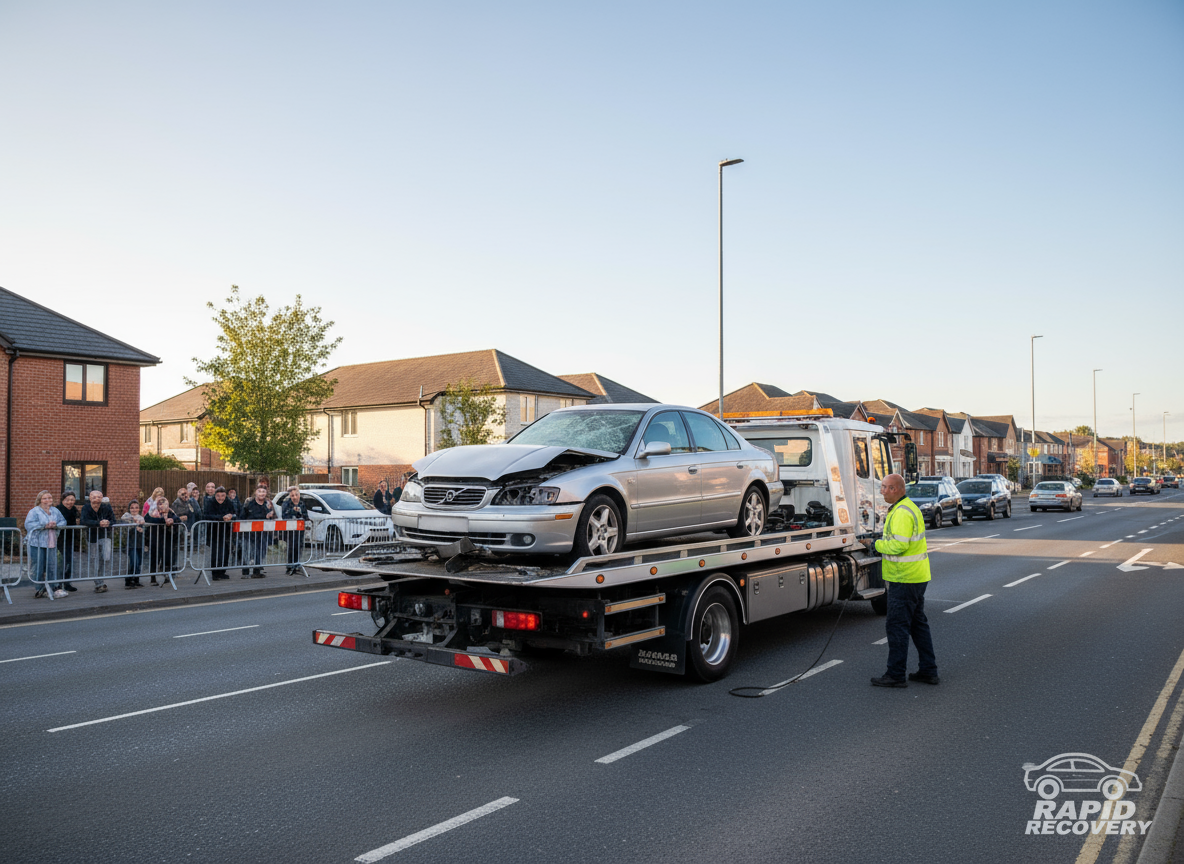
There comes a moment when a car stops being a trusty tool and starts feeling like a dead weight. Maybe it coughed its way through the last commute, maybe the MOT tester handed over a failure sheet that looked like a shopping list, or perhaps an accident left it looking more patchwork than passenger vehicle. Whatever the reason, plenty of drivers find themselves wondering: “Is it even worth anything anymore?”
Here’s the good news: a broken motor isn’t the end of the line. Whether you’re trying to sell my broken car or you’ve just had to sell MOT failure vehicle that’s been sitting idle, there’s still value to unlock. From salvageable parts to scrap metal prices, damaged cars can bring a fair return when you know where to turn.
I’ve lost count of the number of so-called “worthless” cars I’ve seen get snapped up. From old Fords with engines running on prayers to accident-damaged hatchbacks that ended up as donor cars, the truth is simple: broken doesn’t mean useless. And with services like Sell a Vehicle, you don’t even have to sweat the logistics.
Why Your Broken Car Still Has Value
The first thought most owners have is: “Who’d want this wreck?” But that’s where people often underestimate their motor.
- Parts potential: Even if the engine’s gone, parts like alloy wheels, gearboxes, or body panels carry value.
- Scrap metal: A car’s frame and panels always hold weight in the scrap market.
- Repair projects: To one driver, it’s a headache. To an enthusiast, it’s a bargain.
Take Mrs Higgins from my street. She nudged her Mini into a lamppost and figured it was finished. A young lad saw it as the perfect project, patched it up, and now drives it proudly. To her, it was a burden. To him, an opportunity.
Key Takeaways
- A broken car still holds worth in metal and parts.
- Enthusiasts and mechanics often see value where you don’t.
- Don’t assume “scrap” equals “worthless.”
Common Issues That Make a Car “Broken”
The term “broken” covers a broad spectrum, from niggling faults to full-blown disasters.
- Engine failures: Blown head gaskets, seized engines, major oil leaks.
- MOT failures: Corrosion, emissions issues, or safety defects.
- Accident damage: From scratched panels to bent chassis.
- Gearbox faults: Slipping, grinding, or refusing to shift.
- Electrical gremlins: From dead batteries to wiring nightmares.
I once had a Ford Sierra where the headlights flickered every time I hit a bump. Useless on the open market, but it still fetched decent scrap value.
Selling a Car with MOT Failure
An MOT failure often feels like the nail in the coffin. Without that certificate, you can’t legally drive it except to a booked test, so your selling options narrow fast.
What You Can Do
- Repair it: Worth it for minor faults. A small fix might get you back on the road.
- Sell privately: As a “non-runner,” but honesty is essential.
- Trade-in: Some dealers accept them, but expect rock-bottom offers.
- Scrap it: If repair costs outweigh the return, scrapping is the sensible choice.
If you’re weighing how to sell MOT failure vehicle, Sell a Vehicle provides an easy option. You’ll get a fair valuation, free collection, and no headaches over transport.
Key Takeaways
- MOT failure limits your legal use of the car.
- Always compare repair costs against resale potential.
- Scrapping or selling through a service can make life easier.
Selling a Car with Accident Damage
Not all accident damage is the same. The impact on price depends on the severity.
- Light dents and scratches: Often repairable, meaning the car still fetches a reasonable sum.
- Moderate damage: Higher repair costs, but the car may still interest buyers.
- Severe structural issues: Usually written off, but salvage value remains.
Insurers might offer a settlement, but many drivers buy the car back and then sell it as salvage through trusted services.
The Benefits of Selling Through Sell a Vehicle
Why pick Sell a Vehicle instead of trying your luck elsewhere? Four main reasons:
- Convenience: Free collection, straight from your driveway.
- Fair valuation: Prices based on market demand and scrap values.
- Handled paperwork: DVLA notifications, receipts, and admin all covered.
- Fast payment: Money in your bank, usually within 24 hours.
Selling privately is like fixing an oven with broken heating elements: messy, stressful, and rarely worth the effort. Using Sell a Vehicle is like ordering takeaway: quick, simple, and reliable.
Key Takeaways
- Hassle-free collection.
- No haggling games.
- Quick, secure payments.
How Sell a Vehicle Values Broken Cars
Valuations aren’t plucked from thin air. Here’s what goes into them:
- Make and model: Some cars hold demand even when faulty.
- Age: Newer cars usually fetch more.
- Condition: Severity and type of faults.
- Scrap metal prices: Market rates fluctuate.
- Parts demand: Usable components increase value.
So when you ask “what will I get if I sell my broken car?”, it’s these factors that shape the offer.
Step-by-Step Guide to Selling Your Broken Car
Here’s how simple the process is with Sell a Vehicle:
- Get a quote: Enter your car details online.
- Review and accept: Agree to the valuation if you’re happy.
- Arrange collection: Pick a time that suits you.
- Hand over documents: V5C, keys, and ID.
- Get paid: Funds transferred, usually within 24 hours.
No tyre kickers, no wasted weekends, no uncertainty.
Paperwork and Legal Considerations
Selling properly means covering the admin:
- Notify the DVLA: Essential after sale or scrap.
- Cancel insurance: Don’t keep paying premiums. Here’s how to cancel your car insurance.
- Keep or transfer plates: If you want to hold onto a private number plate, check our guide to keeping a private plate.
- Proof of ID: Always required for security.
What Happens to Your Car After You Sell It?
Your car’s next chapter depends on its state:
- Scrapping: Beyond repair? It’ll be recycled responsibly.
- Salvage: Usable parts removed and resold.
- Repair: Some cars are fixed up and sold on.
Either way, Sell a Vehicle ensures it’s dealt with legally and efficiently.
Alternatives to Selling Through a Service
Not every driver takes the same path:
- Private sale: Possible, but stressful.
- Auction: Quick, though unpredictable.
- Part-exchange: Easy with dealers, but low offers.
Still, if you want guaranteed payment, paperwork handled, and no risk of time-wasters, Sell a Vehicle often makes the most sense.
Actionable Next Steps
If your car’s broken, failed its MOT, or is carrying accident damage, here’s the roadmap:
- Assess the damage: Be honest about repair costs.
- Get a quote: Use Sell a Vehicle’s online tool.
- Weigh your options: Repair, sell, or scrap.
- Decide: Pick the path that makes financial sense.
- Get in touch: Start the process today.
And if you’re in a specific city, you can also sell your car in Manchester, sell your car in Birmingham, or even sell your car in London with the same process.
Final Thoughts
Selling a broken or failed MOT vehicle doesn’t have to be overwhelming. There’s almost always value left, whether it’s in the shell, the parts, or someone else’s repair project.
From Mrs Higgins’ pranged Mini to countless clapped-out motors I’ve seen over the years, the lesson is clear: don’t assume “broken” means worthless. With the right service, you can free up space on your driveway and money in your pocket, all without the hassle of shifting a non-runner on your own.