

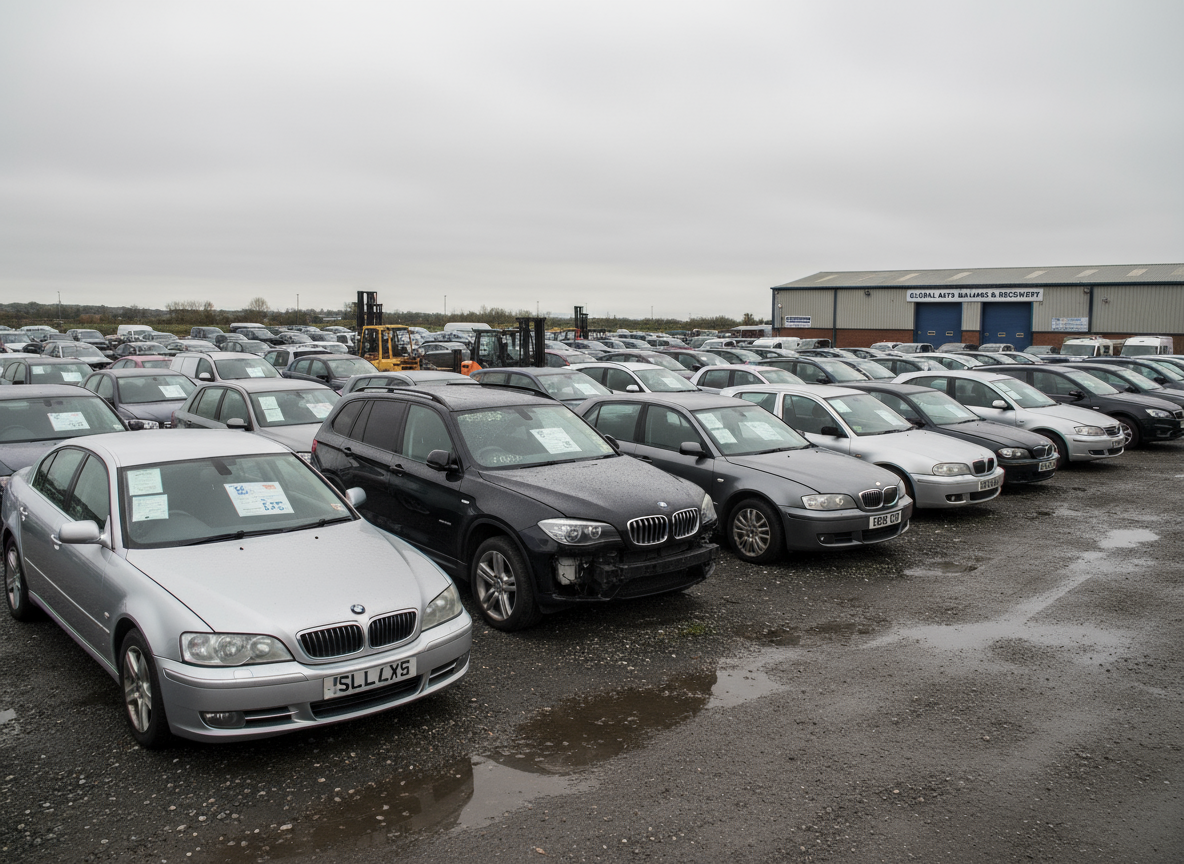
Every motor tells a story, but not all of them have happy endings. When a car’s been through the wars and an insurance company declares it a total loss, it takes on a whole new label: a write-off. That doesn’t mean it’s destined for the scrapyard straight away, though. Plenty of drivers still manage to sell a write-off car in the UK, as long as they understand the rules, the paperwork, and the expectations that come with it.
The key lies in understanding car write-off categories, especially Cat S and Cat N. These are the two labels you’ll most often see today, and they make all the difference when it comes to what you can do with the vehicle. Let’s break them down, look at what they mean in practice, and talk through how to sell responsibly and confidently.
Understanding insurance write-off categories
Insurance companies don’t just guess when they decide a car is beyond economical repair. They use categories to classify the type and severity of damage. These categories aren’t just box-ticking; they affect a car’s value, its repairability, and how future buyers view it.
The system has shifted in recent years. Older Cat C and Cat D categories were phased out, replaced by Cat S and Cat N. Instead of focusing purely on repair costs, the new system is about the type of damage, structural or non-structural.
Key takeaways:
- Categories define the level of damage.
- Cat C/D are now outdated, replaced by S/N.
- Labels affect value and buyer confidence.
What is Category S (Cat S)?
A Cat S write-off means the car has sustained structural damage. This could involve the chassis, crumple zones, or other key structural components.
Now, that doesn’t mean it’s scrap metal on the spot. Skilled repairs can often restore these cars to roadworthy condition. But here’s the catch: no matter how good the repair, the Cat S label stays with the car forever.
Analogy: Think of it like a broken leg. A doctor can set the bone, and you’ll be back on your feet, but there will always be a scar. A Cat S car is much the same, usable again, but always carrying a history.
Key points:
- Cat S = structural damage.
- Repairs are possible, but must be professional.
- Permanently marked as a write-off.
What is Category N (Cat N)?
Cat N stands for non-structural damage. That usually means body panels, electrics, suspension, steering, or brakes; the core frame of the car remains intact.
Often, the repair bill outweighs the car’s value, which is why insurers write them off. But in terms of restoration, Cat N vehicles are usually easier to get back on the road compared to Cat S.
Analogy: Picture a washing machine with a faulty motor. The drum and casing are fine, but replacing the motor costs more than buying new. Cat N works on the same principle.
Key points:
- Cat N = non-structural damage.
- Usually easier to repair than Cat S.
- Still permanently marked as a write-off.
Can you legally sell a Cat S or Cat N car?
Yes. There’s nothing illegal about selling a Cat S or Cat N car in the UK. But there is one crucial rule: you must disclose the category.
Failing to do so risks mistrust, complaints, or worse, legal consequences. Buyers need full transparency to make an informed choice.
Tips for transparency:
- Provide repair invoices and inspection reports.
- Mention the write-off status clearly in adverts.
- Encourage independent inspections.
If you want peace of mind with the sale, you can use Sell a Vehicle to connect with buyers who understand car write-off categories and are ready to offer fair prices.
The importance of honesty
I’ve seen plenty of sellers try to gloss over a car’s history. One bloke once offered me a “mint condition” hatchback, but underneath it was held together with filler and fibreglass. I walked away immediately.
Honesty is what keeps deals from falling apart. Being upfront about repairs and paperwork not only builds trust but also makes it more likely you’ll complete the sale without a hitch.
For guidance on handling ownership properly, check our guide on the documents needed to scrap a car, many of the same rules apply when selling a write-off.
Roadworthiness and safety checks
A write-off car can only be sold with confidence if it’s safe. For Cat S, this means ensuring professional repairs have been carried out and documented. For Cat N, it’s about making sure the non-structural issues have been adequately addressed.
What to do before selling:
- Have a professional inspection carried out.
- Keep MOT certificates and repair invoices ready.
- Be upfront about which repairs were done.
If you’re unsure about the next steps after a failed MOT, our MOT failure car selling service makes the process easier, whether you repair the car or decide to move it on.
Steps to take before selling a write-off
Selling a write-off isn’t complicated if you prepare correctly. Here’s a checklist:
- Gather documentation: V5C logbook, MOTs, repair invoices,and inspection reports.
- Get an independent inspection: Reassures buyers and builds trust.
- Set a realistic price: Research similar Cat S or N vehicles.
- Choose your sales route: Private sale, dealer, or online platform.
- Handle DVLA paperwork: Notify DVLA of the sale, just as you would with any other car.
If you decide that repair costs aren’t worth it, you can always get a quote to scrap your car quickly and legally through our trusted ATF network.
Setting a realistic price
This is where expectations meet reality. A Cat S or Cat N car will never fetch the same money as an undamaged equivalent. Buyers understand the risks, so the price has to reflect it.
- Cat S cars: Worth less because of structural damage history.
- Cat N cars: Usually worth a bit more, as repairs are less critical.
Tip: Always research live listings on Auto Trader or similar sites. If you’d rather skip the waiting and haggling, you can use our sell your car service for an instant valuation.
Where to sell your write-off car
There are a few good ways to sell your car if it’s a write-off:
- Private sale: Best chance of a higher price, but slower and more hassle.
- Online marketplaces: Sites like Auto Trader or Gumtree offer reach, but you’ll deal with endless enquiries.
- Specialist dealers: Quick and straightforward, though the payout may be lower.
- Scrap option: If it’s not worth repairing, you can scrap car for cash and move on without stress.
The future of car write-off categories
The industry is shifting as technology and sustainability gain importance.
- Technology: Repairs that once cost a fortune may soon be cheaper with modular parts and advanced diagnostics.
- Sustainability: Regulators and insurers are under pressure to push for repair and recycling over disposal.
Key takeaways:
- Keep up with DVLA updates.
- Expect evolving rules around repairs and write-offs.
Conclusion: selling with confidence
Selling a Cat S or Cat N write-off takes more preparation than selling a regular car, but it’s far from impossible. Be honest, gather the paperwork, and set realistic expectations.
Whether you want to sell a write-off car privately, take the simple route with our instant car quote service, or decide it’s easier to scrap car for cash, the choice is yours.
Sell a Vehicle covers every route, from scrapping and fast online valuations to nationwide collection services. And if you’re uncertain about the best option, you can contact us for straightforward advice.
With transparency and the proper preparation, you can sell responsibly, get a fair return, and move on without the stress.