

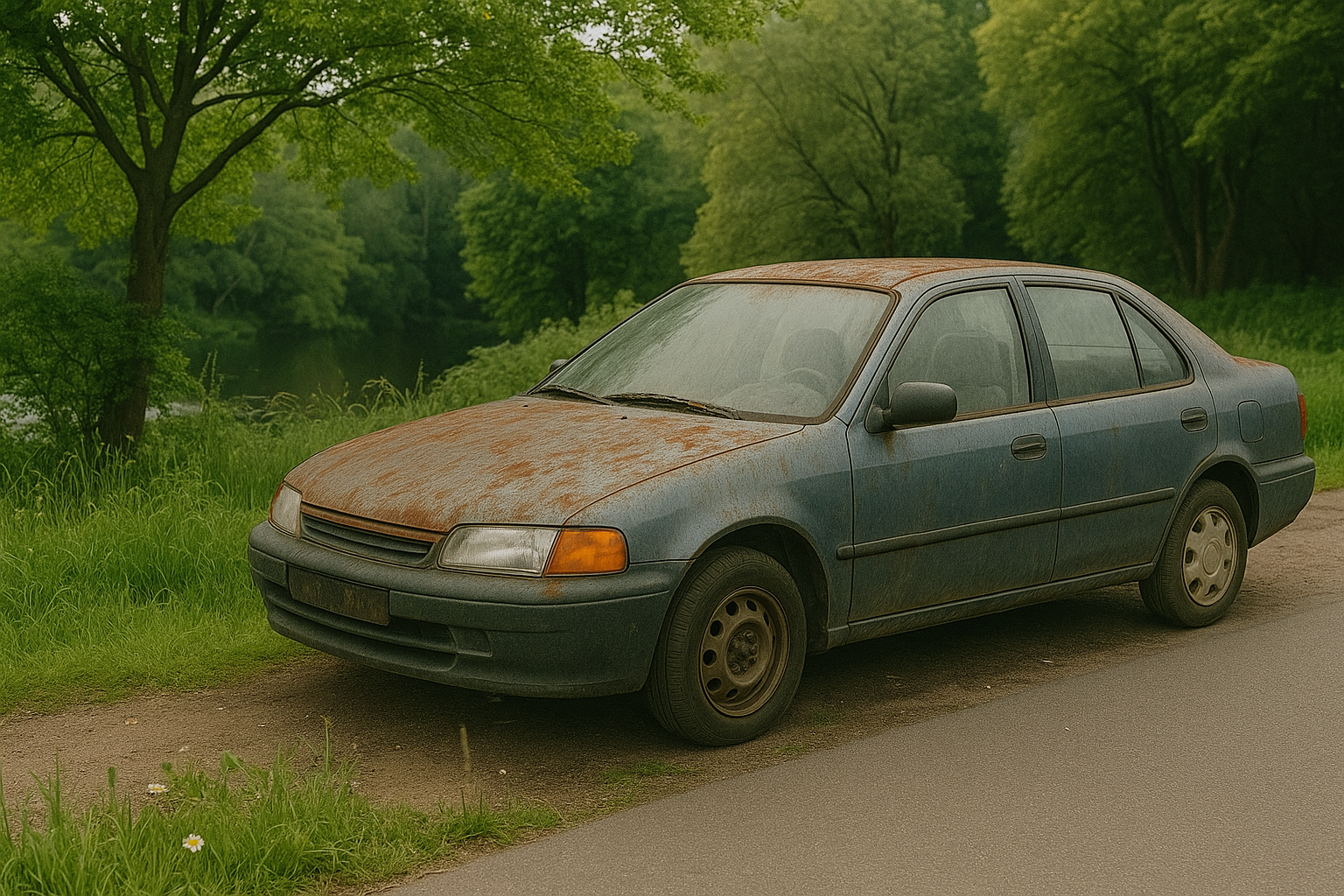
A car might stop running, but it doesn’t vanish. Under the bonnet and behind the panels, every vehicle holds a treasure chest of materials: steel, aluminium, copper, plastics, and glass. These can either be wasted in a lay-by, poisoning soil and waterways, or they can be recycled into something useful. That’s the real power of proper recycling – it transforms potential waste into value.
Too often, drivers think scrapping is just about getting rid of an unwanted motor. In reality, car recycling benefits stretch far beyond clearing space on the driveway. The environmental impact alone is enormous: protecting resources, preventing pollution, reducing emissions, and fuelling a circular economy. And when recycling is handled the right way, the broader economy reaps the rewards too.
This isn’t about ticking boxes. It’s about recognising that the end of one car’s journey marks the beginning of many others.
Conserving Natural Resources
Every car carries tonnes of raw material. Mining and manufacturing those materials takes enormous effort, energy, and environmental tolls. Recycling breaks that costly cycle.
- Steel and aluminium are the backbone of any vehicle. When recycled, they can be melted and reshaped without losing strength. Each tonne reused saves tonnes of ore from being mined.
- Plastics and glass are repurposed into new products, from bottles to building materials.
- Copper wiring is carefully recovered and used in electronics, housing, and future vehicles.
By choosing a certified recycler through Sell a Vehicle, these resources stay in circulation instead of draining more from the earth. It’s one of the most overlooked but essential benefits of scrapping a car.
Reducing Pollution
An abandoned car is more than an eyesore. It’s a ticking environmental hazard.
- Old vehicles leak oil, coolant, and brake fluid into the soil, poisoning land and water.
- Batteries corrode, spilling acid and lead.
- Piles of discarded tyres are a fire hazard, releasing toxic smoke when they burn.
When handled at an Authorised Treatment Facility (ATF):
- All fluids are drained, stored, and treated safely.
- Batteries are recycled under strict regulations.
- Tyres are shredded and reused in flooring, sports surfaces, and even road tarmac.
That’s the difference proper scrapping makes. Instead of spreading toxins across fields and rivers, vehicles are dismantled in ways that protect both people and the environment.
Meeting Recycling Targets
The UK and EU have strict targets for car recycling. By law, 95% of a vehicle’s weight must be reused or recycled. Without the right systems, this would be impossible.
Here’s how the process breaks down:
- 85% is recycled directly into metals, plastics, and glass.
- 10% is recovered for energy through approved methods.
- Only 5% is disposed of as waste.
When appropriately scrapped, cars don’t disappear – they re-enter the economy as functional materials. This is what makes them part of a circular economy, where waste becomes input for new industries.
Lowering Carbon Emissions
Mining ore, smelting steel, and producing aluminium all come at a heavy cost: carbon emissions. Recycling dramatically reduces this footprint.
- Recycling steel uses up to 70% less energy compared to producing it new.
- Recycling aluminium saves up to 95% of the energy needed to extract it from raw bauxite ore.
By recycling cars, emissions are cut on a massive scale. That means every driver who scraps responsibly contributes to lowering global CO₂ levels – one of the most potent car recycling benefits of all.
Real-Life Example: The Family Hatchback
A family recently scrapped their ageing Ford Focus using Sell a Vehicle’s scrap car service. It was riddled with faults, unsafe to drive, and uneconomical to repair.
Here’s what happened next:
- Steel was melted down and used in construction.
- The catalytic converter’s precious metals were recovered and reused.
- Plastics were processed into new automotive components.
The family earned money from a car that would otherwise have rusted away. At the same time, the environment benefited from valuable materials being brought back into circulation. That’s what scrapping car benefits look like in action.
Protecting Landscapes from Abandoned Cars
Back in the 1990s, abandoned cars were a common sight. Fields, lay-bys, and car parks became dumping grounds for unwanted motors because scrapping felt costly and complicated. Each abandoned vehicle leaked fluids and scarred the landscape.
Thankfully, times have changed. The Scrap Metal Dealers Act and tougher End-of-Life Vehicle (ELV) regulations now require proper handling. With services like Sell a Vehicle, arranging free collection is straightforward, so there’s no excuse to leave a car behind.
If you’ve still got an old motor gathering dust, the responsible choice is clear: scrap it before it becomes an environmental burden.
Economic Benefits of Car Recycling
Recycling cars isn’t just good for the planet. It also strengthens the economy.
- It supports thousands of jobs in dismantling, processing, and recycling.
- It provides industries with affordable recycled materials, cutting production costs.
- It saves councils millions in clean-up costs by preventing abandoned cars.
By using Sell a Vehicle, drivers don’t just help themselves – they also contribute to an industry that underpins wider economic stability.
Regional Recycling with Nationwide Impact
Recycling might happen locally, but its impact is national. Sell a Vehicle ensures every car is processed through certified recyclers, wherever you live.
- Scrap your car in Manchester with fast, local collection and responsible recycling.
- Scrap your car in London to avoid ULEZ penalties while ensuring materials are reused.
- Scrap your car in Birmingham when MOT failures make keeping the vehicle uneconomical.
Together, these local services fuel a country-wide recycling system that benefits everyone.
A Mechanic’s Analogy: Breathing Life into Old Steel
Scrapping a car is like sharpening an old tool. The handle may be worn, the blade may be blunt, but the steel is still strong. By stripping away the worn-out parts, you reveal something that can work again.
That’s what recycling does to cars. The shell might be rusty, the engine dead, but the core materials are still valuable. They’re not wasted – they’re reborn.
Emotional Angle: Letting Go Without Guilt
Cars aren’t just machines. They carry memories – school runs, family holidays, first jobs. Letting go can feel like losing a piece of history.
Recycling eases that guilt. Instead of rotting in a driveway or polluting a riverbank, your car becomes part of something new. The steel from a hatchback could hold up a bridge. The alloys could end up in another family’s car. The glass might become part of a new building.
That’s one of the most profound car recycling benefits: closure with purpose.
Practical Benefits for Drivers
Alongside the environmental and economic impacts, there are practical perks for the person handing over the keys.
- Free collection means no transport costs.
- Secure payment by bank transfer ensures no risk of being left unpaid.
- Paperwork handled means no DVLA fines or letters chasing tax.
- Instant quotes give clarity before the process even begins.
These aren’t just add-ons – they’re part of what makes Sell a Vehicle the straightforward choice for anyone ready to move on.
Insurance, Plates, and Paperwork
Many drivers have concerns about the final details. Sell a Vehicle simplifies these, too.
- Insurance: Policies should be cancelled once the car is collected. Our guide on cancelling your insurance explains the steps.
- Private number plates: If you want to keep yours, apply before scrapping. Learn how to retain a private plate.
- DVLA paperwork: A Certificate of Destruction confirms the vehicle is officially off the road.
These details matter, and when handled properly, they eliminate risks down the line.
Choosing Between Selling and Scrapping
Not every car is ready for recycling. Some may have resale value even with damage or failed MOTs. That’s why Sell a Vehicle offers both options:
- Scraping when the car is at the end of its road.
- Selling when it still has value to buyers.
Drivers can find out how to sell their car through the same network, making sure they maximise value whichever route makes sense.
Final Thoughts
Cars don’t vanish when they stop running – they transform. Through proper recycling, scrapping a car benefits the planet, the economy, and the driver. From conserving raw materials and preventing pollution to cutting emissions and fuelling industries, the importance of recycling old vehicles is evident.
With Sell a Vehicle, the process is made simple. Instant quotes, free collection, secure payments, and certified recycling centres nationwide ensure every car ends its life responsibly.
If you want to unlock the full car recycling benefits of your old motor, get a quote to scrap your car today. And if you’d like tailored advice, you can always get in touch with the team first.