

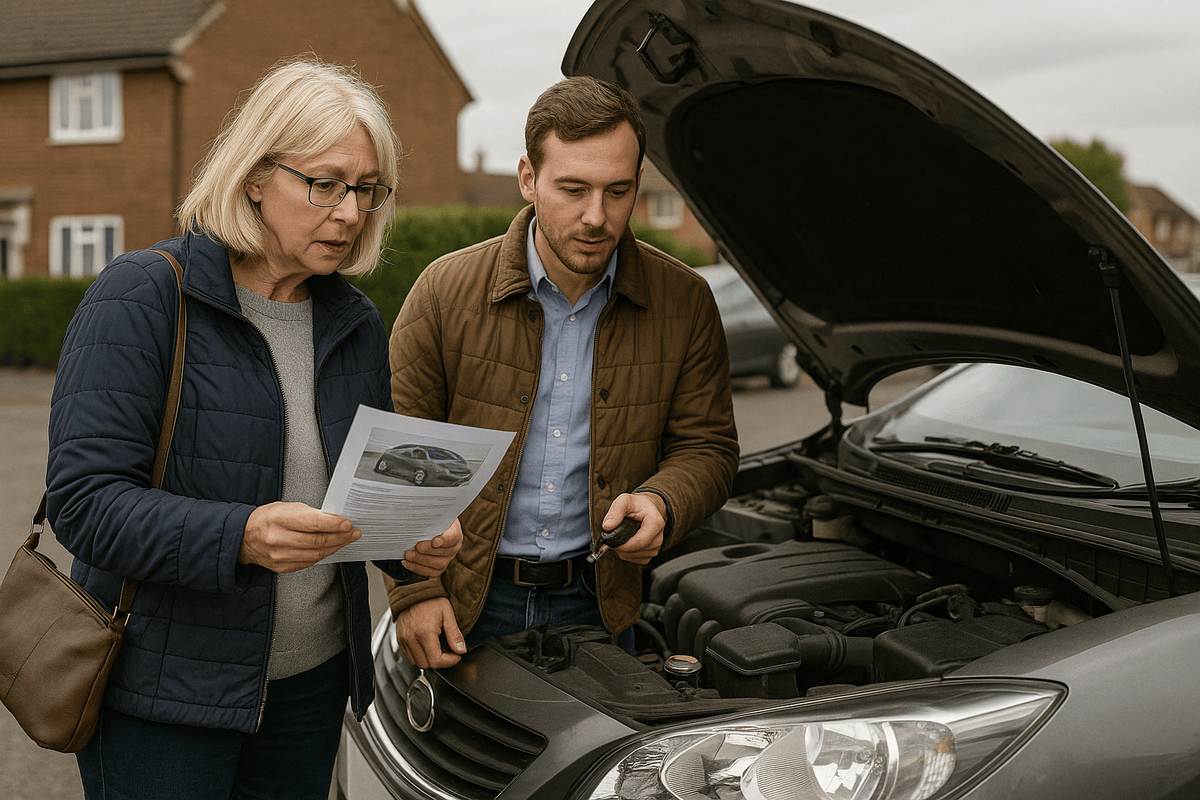
Selling your used car is one of those jobs that feels straightforward until the process begins. The moment the decision is made to sell a used car privately, the owner steps into the shoes of a mechanic, salesperson, and administrator all at once. Done correctly, it’s often the path to the best financial return, but it does demand preparation, patience, and a steady hand.
Every stage matters, from the way the car shines under the driveway sun to the way the first enquiry is handled. Small details make a big difference. Think of this guide as advice from a neighbour who knows the ropes: straightforward, practical, and built to help everyday drivers save time and stress when selling your used car.
Why Sell a Used Car Privately?
There’s a reason so many drivers consider the private route before handing their keys to a dealer. It often comes down to one word: value.
A trade-in is convenient but almost always comes with a lower price tag. Dealerships and middlemen take their cut, leaving sellers with less. Private selling, by contrast, involves a direct handover between seller and buyer. That usually translates into more money in the pocket of the outgoing owner.
Benefits of Private Selling
- Better price: No dealer margin means more money stays with the seller.
- Control: The seller chooses the asking price, negotiates the terms, and picks the buyer.
- Flexibility: Meetings and handovers happen on terms that suit the seller’s schedule.
The Other Side of the Coin
Of course, there are trade-offs. Selling privately takes time and energy. Advertising, answering messages, arranging viewings, and sorting paperwork all fall on the seller. It’s not the hands-off process of dropping a car at a dealership, but the rewards can be greater for those willing to put in the effort.
Analogy: Think of it like baking bread. Buying from the shop is quicker, but doing it yourself takes longer and demands patience. The payoff, though, is a better loaf. Private sales are much the same, more effort, but a richer return.
Preparing the Car for a Private Sale
Preparation is where a private sale is won or lost. First impressions count, and buyers often make up their minds in the first few seconds of seeing a car.
Cleaning and Presentation
A spotless car signals care. Buyers may not be car experts, but everyone notices dust, crumbs, or muddy mats. A bucket, sponge, and polish go a long way. Professional valeting is an option too, but a weekend clean-up can be just as effective.
Fix the Little Things
Minor problems raise significant doubts. Replacing a missing hubcap or fixing a cracked mirror glass is inexpensive but makes the car look well-maintained. Loose trim, squeaky hinges, or worn wipers are also worth sorting before photos are taken.
Gather Paperwork
Trust is built on documents. Buyers will expect to see:
- MOT certificates
- Service history
- Receipts for repairs or maintenance
- Manuals
A tidy folder shows that the car’s story is transparent and that the seller has nothing to hide.
MOT Considerations
If the MOT is due soon, arranging a fresh one can be worthwhile. A car with a new MOT is instantly more attractive, as it reassures buyers that the vehicle is roadworthy.
Anecdote-style example: In many sales, a car with six months left on its MOT can feel like a gamble. Buyers imagine unexpected costs just around the corner. Contrast that with the exact vehicle sporting a brand-new MOT certificate, and suddenly it feels like a safer bet.
Setting a Realistic Price
Pricing is where confidence meets reality. Overpricing leads to adverts that sit untouched for weeks. Underpricing means money left on the table.
How to Price Correctly
- Use valuation tools: Online services provide a baseline figure.
- Scan classifieds: Check what similar cars are listed for.
- Be honest about condition: A dented door or noisy gearbox will lower value.
- Factor in negotiation: Set the asking price slightly above the lowest acceptable figure.
Common Pitfalls
- Pricing based on emotion (“it’s worth more to me”).
- Ignoring the car’s condition compared to others.
- Forgetting seasonal demand (convertibles in summer, 4x4s in winter).
Analogy
Pricing a car is like setting the temperature on an oven. Too hot, and the bread burns before it’s cooked through. Too cold, and it never rises. The correct setting ensures the result is just right.
Writing a Standout Car Advertisement
An advert is more than a description; it’s a handshake on paper. Buyers want confidence that the car is genuine, well-maintained, and accurately described.
What to Include
- Make, model, and year
- Engine size and trim level
- Mileage
- Condition, including quirks or faults
- Ownership history
- Price with ONO (or nearest offer) if appropriate
- Contact details
Style Tips
- Keep it factual but approachable.
- Avoid exaggeration (“mint condition” for a scratched bumper car puts buyers off).
- Use clear, simple language.
Example advert snippet:
“2015 Ford Focus Zetec, 1.6 petrol, 68,000 miles. Full service history, MOT until July 2026. Two owners, well-maintained, and recent new tyres. £4,200 ONO.”
Choosing Where to Advertise
The marketplace has shifted online, though traditional methods still hold value.
Online Platforms
- Autotrader: Widely used, professional reputation.
- eBay Motors: Popular for auctions or buy-it-now sales.
- Gumtree: Local buyers, quick sales.
Social Media
Local sales groups on Facebook or community forums are increasingly popular. They connect sellers with nearby buyers who may prefer quick handovers.
Word of Mouth
Never underestimate the power of a workplace noticeboard, a neighbour’s recommendation, or a friend’s introduction. Some of the smoothest sales happen without ever posting an advert.
Regional Services
In larger cities, location-specific searches help. For example, someone looking to sell their car in Manchester may find more buyers by targeting regional listings.
Handling Enquiries and Viewings
Once the advert goes live, the messages start. Some will be serious, others less so. This stage requires patience and composure.
Tips for Enquiries
- Respond promptly; slow replies can lose serious buyers.
- Answer questions directly. Transparency builds trust.
- Weed out time-wasters by confirming interest before arranging viewings.
Viewings
- Meet in daylight if possible. Cars always look better in natural light.
- Choose safe locations. Public car parks are often ideal.
- Always accompany test drives from the passenger seat.
Workshop-style anecdote: Many sellers talk about the “tyre-kickers”, people who poke, prod, and criticise without serious intent. One story recalls a buyer spending twenty minutes inspecting tyres like rugby balls, only to walk away. The next visitor, impressed by the service history, bought on the spot.
Negotiating with Buyers
Negotiation is part of the process. Few buyers pay the full asking price without discussion.
Strategies for Sellers
- Know the minimum acceptable figure before starting.
- Open slightly higher to allow for haggling.
- Stay calm, avoid showing frustration.
- Use silence; a pause can often encourage buyers to improve their offer.
Analogy: Negotiation is like playing a game of chess. Every move should be deliberate, but patience often wins over aggression.
Paperwork You’ll Need
Paperwork is the backbone of a safe, legal sale.
Essential documents include:
- V5C logbook
- MOT certificates
- Service history records
- Receipt signed by both parties
Informing the DVLA immediately after the sale is crucial. Without this, the seller could remain liable for tax, insurance, or even fines linked to the vehicle.
For further details, see our guide on the documents needed to scrap a car, which also explains DVLA processes.
After the Sale
Handing over the keys doesn’t end the responsibilities. Sellers should tie up loose ends:
- Cancel insurance: Avoid paying for cover on a car no longer owned. See our guide on cancelling your car insurance after a sale.
- Claim a tax refund: The DVLA refunds remaining months automatically.
- Keep copies of documents: A simple step that protects against future disputes.
When Private Selling Isn’t Worth It
Private selling suits many, but not all.
When It’s Not Ideal
- Cars with very high mileage
- Vehicles with accident damage
- MOT failures
In these cases, buyers may not be interested, or offers may be insultingly low. Here, it can be quicker and easier to get a quote to scrap your car.
Scrapping through a trusted network still provides fair value, and it removes the headaches of advertising, viewings, and negotiations.
How Sell a Vehicle Can Help
For those seeking a smooth, reliable process, Sell a Vehicle offers trusted services. Whether the aim is to find out how to sell your car quickly or scrap your car for the best price, the platform connects drivers with straightforward solutions.
Questions along the way? It’s easy to get in touch for expert guidance and support.
Final Thoughts
To sell used car privately is to take on extra work, but the rewards can be worth it. A clean presentation, a well-written advert, and patience with enquiries all combine to deliver a stronger deal than most trade-ins.
It’s a bit like tuning an old engine; effort spent on the fine details pays off in smoother running and better performance. Preparation builds confidence, and confidence makes for a successful sale. With the right approach, selling your used car can feel less like a chore and more like a wise, rewarding decision.