

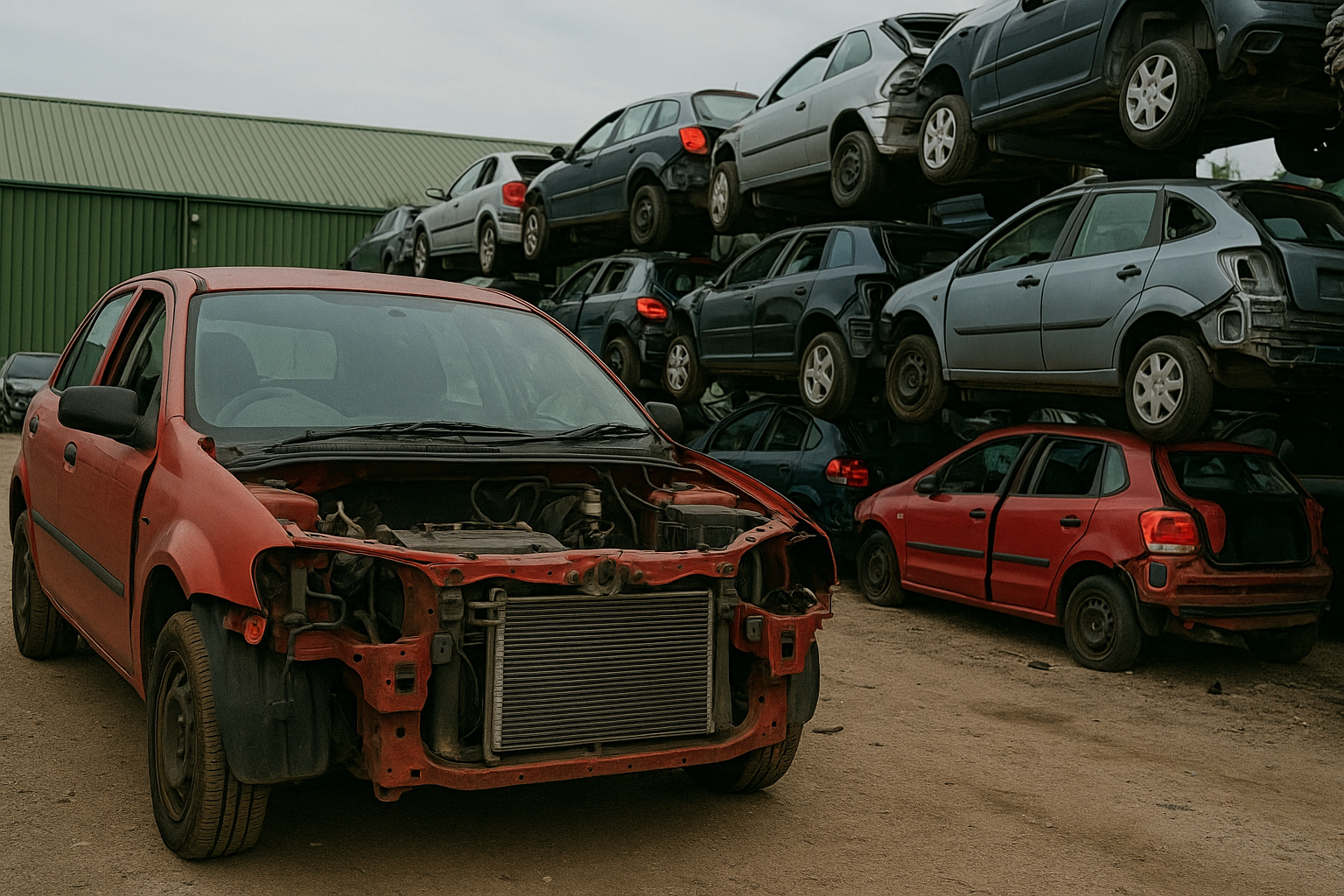
Cars serve well for years, but there comes a time when the engine coughs, the rust creeps, and the repair bills start to climb higher than the car’s worth. At that point, scrapping an old vehicle isn’t just an option; it’s the sensible way forward.
The trouble is, scrapping has rules that can’t be ignored. There are legal obligations, common traps, and even opportunities to squeeze more value from the process if you know how to handle it. Many drivers get caught out, while others walk away with money in the bank and peace of mind.
This guide lays out the scrap car tips you need, separating the must-do steps from the mistakes to avoid. Follow them, and scrapping becomes simple, profitable, and responsible.
Do: Use a Licensed Recycler
The single most important rule is to work only with an Authorised Treatment Facility (ATF). These are government-approved recyclers licensed to dispose of vehicles legally and responsibly.
Why ATFs matter:
- They follow strict environmental standards.
- They’re the only ones authorised to issue a Certificate of Destruction (CoD).
- They recover and recycle up to 95% of a car’s materials.
If you choose an unlicensed buyer, you risk losing proof that the car has been scrapped and may remain legally tied to it. By using Sell a Vehicle’s scrap your car service, you’re guaranteed that only ATFs handle the process.
Don’t: Forget the Paperwork
Paperwork may feel tedious, but without it, the DVLA still considers you responsible for the car. That means possible tax demands or even fines if the vehicle ends up back on the road illegally.
Key paperwork steps:
- Complete the relevant section of the V5C logbook.
- Send that section directly to the DVLA.
- Expect a Certificate of Destruction from the ATF within seven days.
If you’re not confident about what’s required, see our guide on the documents needed to scrap a car.
Do: Remove Your Personal Belongings
Over time, cars become rolling storage spaces. Loose change, receipts, gadgets, and personal keepsakes easily get left behind. Once a vehicle is scrapped, these items are gone for good.
Places to double-check before collection:
- Glovebox and side pockets.
- Boot and spare wheel compartment.
- Under seats and seatback pockets.
- Storage trays and cupholders.
Drivers often regret forgetting valuables, whether it’s an old satnav, necessary paperwork, or sentimental items like family photos. A final sweep avoids disappointment.
Don’t: Expect Cash in Hand
Some drivers still think cash payments are regular. Since 2013, however, cash-for-scrap is illegal in the UK under the Scrap Metal Dealers Act.
What’s legal today:
- Payments must be made by bank transfer or cheque.
- Proof of identity must be provided.
- No brown envelopes or untraceable deals.
Using a trusted network like Sell a Vehicle ensures every payment is secure, fast, and fully compliant with the law.
Do: Compare Quotes
No two cars are worth the same at scrap value. Weight, parts demand, and scrap metal market prices all influence the figure.
Factors affecting price:
- Larger vehicles usually fetch more due to higher metal content.
- Some models still have demand parts, increasing their value.
- Catalytic converters often carry significant scrap value.
Comparing quotes is one of the most valuable scrap car tips for maximising return. With Sell a Vehicle’s sell your car service, you can even explore whether selling for spares is more profitable than scrapping outright.
Don’t: Overlook Valuable Extras
Cars often contain items worth more when sold separately. Stripping these before scrapping can add extra value.
Examples include:
- Private number plates: Transfer them to the DVLA before scrapping. For guidance, see how to keep your private number plate when selling a car.
- Aftermarket stereos or navigation units: These can be resold.
- Spare tyres, toolkits, or roof racks: Often fetch extra cash.
Take a few minutes to check what can be removed.
Do: Take Advantage of Free Collection
Not so long ago, drivers had to pay someone to tow a car away. Today, free collection is standard with most licensed scrap services.
Arranging collection is simple:
- Cars are collected from home, work, or another address.
- Non-runners are lifted with recovery vehicles.
- Collection is usually arranged within 24–48 hours.
Whether you need to scrap a car in London, scrap a car in Manchester, or scrap a car in Birmingham, free collection makes the process hassle-free.
Don’t: Leave It Too Long
Many drivers hang onto an old car, thinking it might still have life in it. Unfortunately, cars left sitting idle deteriorate quickly.
Problems with delays include:
- Leaks staining driveways.
- A flat tyre is making recovery difficult.
- Batteries are draining completely.
- Rust is spreading rapidly.
The longer the delay, the lower the value, and in some cases, cars even become harder to collect.
Do: Think About the Environment
Scrapping isn’t only about money. A properly recycled vehicle is handled with environmental responsibility.
How ATFs recycle:
- Oils and fluids are drained and treated safely.
- Tyres are shredded and reused in new products.
- Metals are melted down for recycling into fresh materials.
- Plastics and glass are repurposed where possible.
Appropriately handled, scrapping an old car contributes to a circular economy instead of polluting landfills.
Don’t: Cut Corners with Unlicensed Buyers
The biggest trap is using unlicensed buyers who promise a quick deal.
The risks include:
- No Certificate of Destruction, leaving you liable for tax and insurance.
- Cars are being sold illegally instead of being scrapped.
- Potential fines if the DVLA isn’t notified.
Cutting corners might feel quicker, but the long-term consequences are costly. Stick to licensed recyclers through trusted networks like Sell a Vehicle.
Common Mistakes Drivers Make
Even when people know the rules, errors still happen. Here are some frequent slip-ups to avoid:
- Forgetting to cancel insurance means wasted premiums. See how to cancel your car insurance after a sale.
- Leaving fuel in the tank is unsafe and a waste.
- Assuming the scrapyard will notify the DVLA, this isn’t always true.
- Ignoring scrap metal market fluctuations that affect value.
- Settling for the first quote instead of shopping around.
Learning from these mistakes can save money and stress.
Emotional Side: Saying Goodbye
For many, a car is more than metal and bolts. It’s memories of road trips, family journeys, or first-time independence. Letting go can feel emotional.
Scrapping doesn’t erase those experiences. It closes the chapter responsibly while ensuring the car contributes to something new, whether recycled metals, parts, or materials. It’s the end of the vehicle’s life, but not the end of its usefulness.
Analogy: Clearing Out an Old Workshop
Scrapping a car is much like clearing out a cluttered workshop. Broken tools, rusted bolts, and shelves of unused parts pile up, taking space and creating stress. Call in the right people, and suddenly it’s all cleared, sorted, and recycled into something useful.
That’s what scrapping does: it removes dead weight, clears space, and turns waste into value.
Final Thoughts
The do’s and don’ts of scrapping an old car aren’t complicated once you know them. Stick to these basics:
- Do use licensed recyclers.
- Do complete the paperwork correctly.
- Do remove belongings and valuable extras.
- Do take advantage of free collection.
- Do you think about the environment?
- Don’t expect cash in hand.
- Don’t cut corners with unlicensed buyers.
- Don’t leave it sitting too long.
- Don’t forget to cancel the insurance and notify the DVLA.
Handled the right way, scrapping is straightforward, rewarding, and environmentally responsible. Sell a Vehicle builds these principles into every step, providing instant quotes, certified recycling, and quick collection across the UK. If you’re ready, you can get a quote to scrap your car today, or get in touch for guidance.