

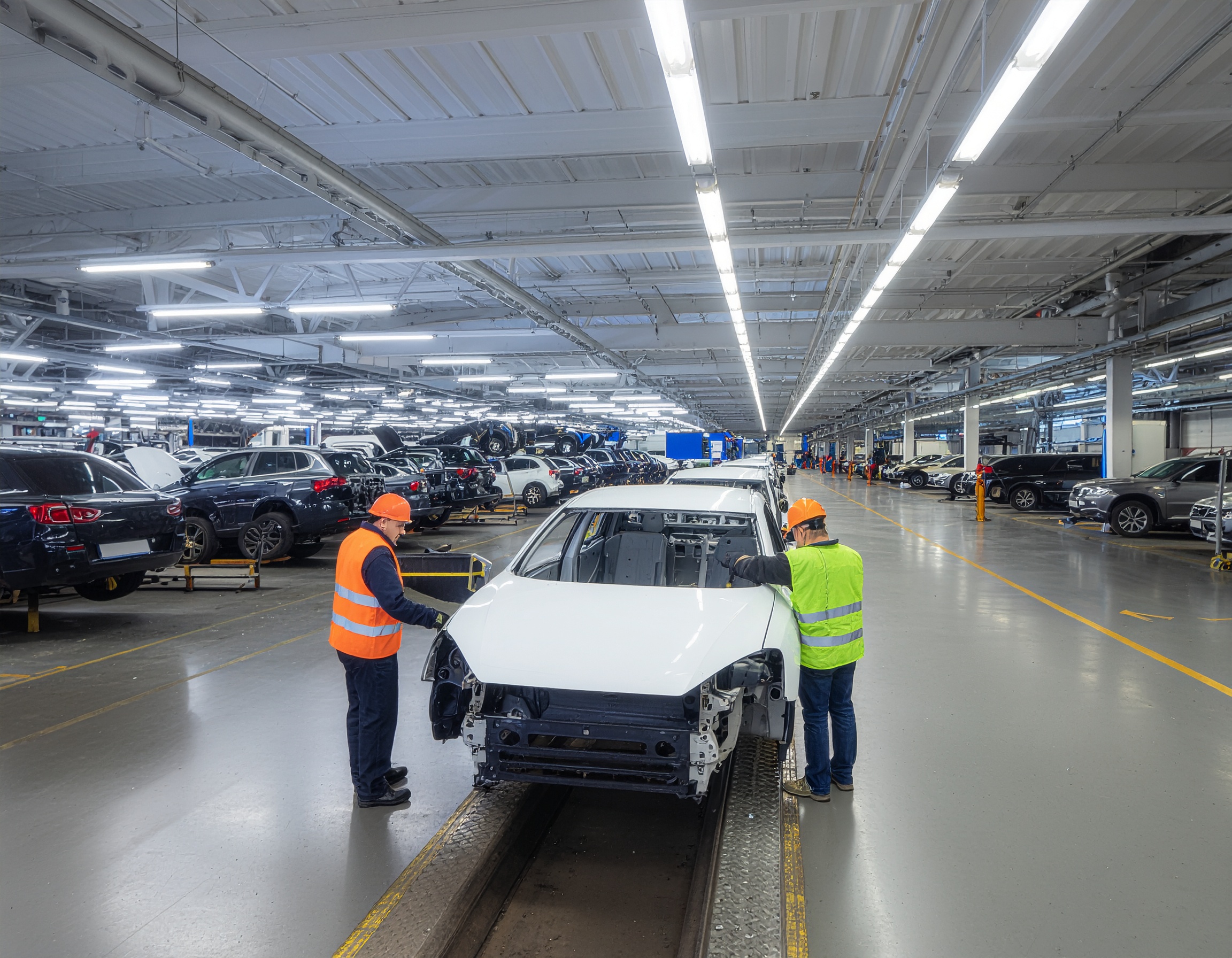
When I first started in the trade, cars at the end of their lives were often dumped in fields, torched for a bit of fun, or left to rust until someone with a flatbed came along. Nobody thought about what was leaking into the soil, what fumes were going into the air, or what valuable materials were being wasted. It was messy, it was careless, and it was common.
Fast-forward to today, and thankfully, we’ve wised up. Sustainable car scrapping isn’t about stacking up rusting shells; it’s about treating every old vehicle as a bundle of resources that deserve a second life. It’s also about protecting the land, the water, and the air around us. This is where responsible vehicle disposal comes into play, and why Sell a Vehicle makes such a difference.
What sustainable scrapping really means
At its core, sustainable car scrapping is the art of wringing every last ounce of value out of a vehicle while keeping harm to the environment at a minimum. It rests on three main pillars:
- Reuse – Salvaging working parts that can keep other cars running.
- Recycle – Breaking down materials like steel, aluminium, glass, and rubber into raw resources.
- Responsible disposal – Handling hazardous waste properly: oil, fuel, brake fluid, and battery acid all require safe treatment.
That old engine block might live again in another motor. The steel shell could be melted into beams for a new housing project. Even the tyres can be shredded into rubber for road surfacing or playgrounds. Nothing is wasted, and nothing is careless.
The mess caused by improper scrapping
To appreciate the value of sustainability, it helps to remember what came before. In the ‘80s, fields across the UK were dotted with abandoned motors. Rain washed brake fluid and antifreeze into the soil. Some stripped wiring by burning off the plastic, choking the air with thick smoke. Others took the parts they wanted and left the rest to rot.
Improper scrapping leads to:
- Soil contamination – Fluids seeping into the ground.
- Water pollution – Oils and coolants are leaking into rivers and groundwater.
- Air pollution – Burning plastics and foams releases toxic fumes.
- Wasted resources – Reusable metals and parts were dumped in a landfill.
That old way of doing things is a sharp reminder of why responsible vehicle disposal is so important today.
How Sell a Vehicle puts sustainability into practice
When you work with Sell a Vehicle, the entire process is built around sustainable car scrapping. From collection to final recycling, everything is handled through licensed Authorised Treatment Facilities (ATFs) that meet strict UK environmental standards.
What this means for your car:
- Depollution – Hazardous fluids are drained and stored safely.
- Part recovery – Engines, gearboxes, tyres, and electronics salvaged for reuse.
- Metal recycling – Steel and aluminium are separated and melted for reuse.
- Safe disposal – Anything unrecyclable is disposed of legally under regulation.
By the end, up to 95% of your car by weight is recovered. That’s not just scrapping, that’s responsible vehicle disposal done right.
Breaking down the auto scrapping process
Here’s how the journey unfolds when you get a quote to scrap your car:
- Collection & transport – Cars are picked up from your home. No need to risk driving an MOT failure or a non-runner.
- Authorised intake – Vehicles logged at a licensed ATF.
- Depollution – Oils, fuels, brake fluids, coolants, air-con gases, and batteries removed for safe recycling.
- Dismantling – Valuable parts stripped to support affordable spares for other drivers.
- Shredding & sorting – The shell shredded, with magnets and systems separating steel, aluminium, and plastics.
- Distribution – Materials are sold into construction, manufacturing, and even new car production.
It’s a disciplined, modern auto recycling process that leaves little behind.
Environmental benefits of sustainable scrapping
The impact reaches far beyond just one old banger:
- Resource conservation – Every tonne of steel recycled means less iron ore mined.
- Energy savings – Recycling aluminium uses 95% less energy than making it from scratch.
- Lower emissions – Fewer greenhouse gases from mining and smelting.
- Cleaner communities – No abandoned cars leaking fluids into fields or lay-bys.
Each car scrapped responsibly reduces waste and creates cleaner, safer communities.
Economic and social benefits
It’s not just the planet that wins; people do too.
- Jobs – Thousands employed in dismantling, logistics, and recycling.
- Affordable repairs – Reconditioned parts give drivers budget-friendly repair options.
- Revenue – Recycled metals feed back into British manufacturing.
When I ran my small garage, I kept plenty of customers on the road with reconditioned alternators and gearboxes from recycled cars. Without them, many folks would’ve had to scrap their cars early.
Choosing a responsible scrapping partner
Not every scrapper plays by the rules. If you want proper, responsible vehicle disposal, ask the right questions:
- Is the company an ATF? Only Authorised Treatment Facilities can legally scrap in the UK.
- Do they issue a Certificate of Destruction (CoD)? This proves your car has been recycled properly.
- Do they pay by secure bank transfer? Cash-in-hand is a red flag.
- Do they comply with environmental standards? Check reputation and reviews.
That’s why Sell a Vehicle only works with approved ATFs, no cowboys, no shortcuts.
The future of sustainable scrapping
With electric and hybrid vehicles on the rise, scrapping methods are evolving:
- Battery recycling – Lithium-ion packs require specialist recovery.
- Electronics – Rare-earth metals in motors and wiring need careful dismantling.
- Composites – New lightweight materials demand innovative recycling solutions.
The industry is moving toward near-total recovery, with nothing wasted, not even plastics or EV batteries.
A story from experience
Years back, a neighbour of mine had a tired Rover leaking oil onto her drive. She thought it was worthless. We arranged for it to go through a licensed ATF via Sell a Vehicle. She was surprised not only to be paid but also to receive a Certificate of Destruction, proof that it was recycled properly.
That one car’s materials went into construction steel, reconditioned spares, and recycled plastics. Instead of polluting her drive, it went back into the economy. That’s the difference sustainable car scrapping makes.
Practical next steps
If you’re ready to scrap responsibly:
- Get a free quote – Use Sell a Vehicle’s scrap service.
- Prepare paperwork – Have your V5C logbook, ID, and proof of address. Our guide on scrapping documents will help.
- Arrange collection – Cars are picked up, whether running or not.
- Receive payment – Bank transfer, usually same-day.
- Cancel insurance – Don’t forget to follow the steps in our guide to cancelling car insurance.
- Keep your number plate – If you want to hold onto a private reg, see our guide to transferring a number plate.
If you’re in London, Birmingham, or Manchester, regional support makes the process even simpler.
Final thoughts
Sustainable car scrapping isn’t just a buzzword; it’s the future of motoring’s end-of-life system. Done properly, it conserves resources, reduces pollution, and feeds materials back into the economy. Done poorly, it leaves scars on the land and wastes valuable metals.
With Sell a Vehicle, every car is processed through licensed ATFs with environmental compliance built in. That’s responsible vehicle disposal at its best: safe for you, safe for the planet, and valuable for industries that rely on recycled materials.
So when you look at that old car on your drive, don’t see a problem. See potential, and let Sell a Vehicle turn it into a second life.