

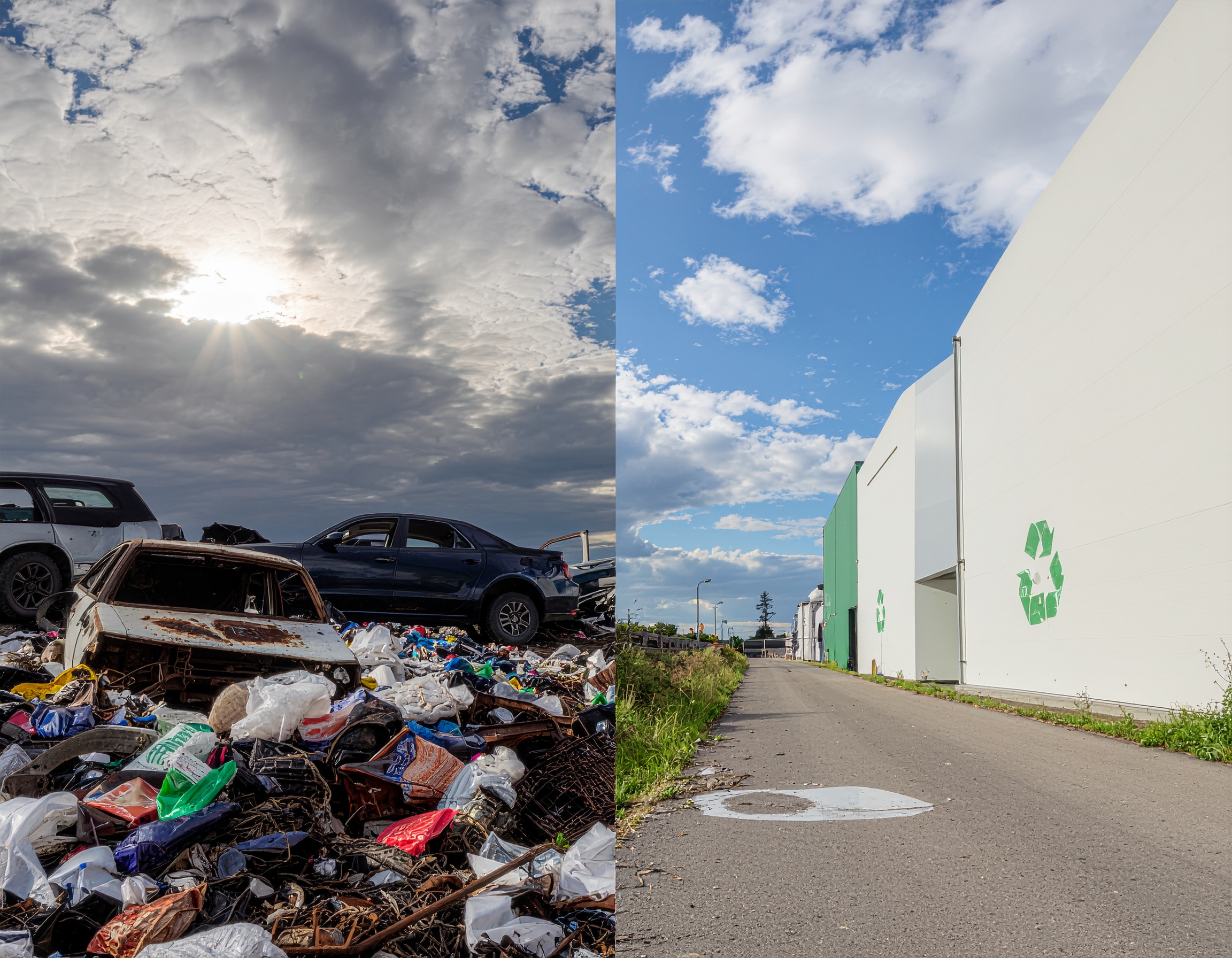
Cars are built to be driven, not dumped. Yet across the UK, abandoned vehicles and poorly disposed of motors still cause problems that stretch far beyond being an eyesore. When handled incorrectly, they pollute the ground, fill up already struggling landfill sites, and waste valuable materials that could be reused. That’s why the importance of car recycling can’t be overstated.
With the right approach, an old motor isn’t just rubbish. It’s a store of metals, plastics, glass, and parts that can be recycled into something new. Choosing proper recycling means protecting the environment, conserving resources, and even putting a bit of money back in your pocket.
The problem with abandoned cars
I’ve seen plenty of abandoned cars in my time. There used to be a couple of rusting shells dumped down by the railway sidings near my old garage. At first, people barely noticed. But before long, weeds grew through them, fluids leaked out, and they became a proper hazard.
Abandoned vehicles are more than just unsightly:
- They leach toxins like oil and coolant into the soil.
- They waste space that could be put to better use.
- They’re a burden for councils who must arrange removal.
If you’re ever at the point of thinking, “I need to scrap my car,” the way you go about it is crucial. The easiest step is to get a quote to scrap your car through Sell a Vehicle and ensure it’s collected legally.
Key takeaways:
- Abandoned cars cause both environmental and social problems.
- They leak harmful substances into soil and water.
- Proper disposal prevents hazards and frees up space.
The environmental impact of improper disposal
Dumping a car in a landfill or leaving it to rot isn’t just a bad habit. It has long-term consequences.
- Oil and brake fluid seep into the ground.
- Battery acid corrodes and contaminates water supplies.
- Coolants damage ecosystems.
Even a small spill causes harm. I remember a neighbour who once tried draining the oil from his car in his back garden. Half of it ended up in the soil and destroyed the roses he loved. If that can happen in one garden, imagine the impact on a riverbank or water supply.
This is where car recycling and landfill connect: every vehicle processed properly through an Authorised Treatment Facility (ATF) is one less vehicle clogging up a landfill site and poisoning the ground.
Key takeaways:
- Improper disposal contaminates soil and water.
- Hazardous fluids have lasting effects.
- Recycling keeps cars out of the landfill.
The role of Authorised Treatment Facilities (ATFs)
Authorised Treatment Facilities, or ATFs, are the unsung heroes of the recycling chain. Licensed and regulated by the Environment Agency, they specialise in dealing with end-of-life cars.
Why ATFs matter:
- They safely drain oils, coolants, and other fluids.
- They remove hazardous materials such as batteries and refrigerants.
- They salvage parts for reuse before the shell is processed.
Think of an ATF as the professional workshop for vehicles that won’t drive again. They know exactly how to dismantle cars without harming the environment. You’ll also receive a Certificate of Destruction to prove the vehicle is legally scrapped.
For more on the paperwork side, see our guide on what documents you need to scrap a car.
Key takeaways:
- ATFs ensure safe, eco-friendly disposal.
- They handle depollution and dismantling.
- Certificates of Destruction prove proper recycling.
The car recycling process: step by step
Car recycling isn’t just crushing a vehicle flat. At an ATF, the process is structured to recover as much value as possible.
Step 1: Depollution
- Oils, coolant, and fuel were drained.
- Batteries removed.
- Air-conditioning gases extracted.
Step 2: Component removal
- Tyres, catalytic converters, and batteries were salvaged.
- Engines and transmissions were refurbished where possible.
- Electronics and wiring stripped.
Step 3: Dismantling
- Glass, plastics, and interior trims are processed.
Step 4: Shredding and recovery
- The stripped shell is shredded.
- Magnets separate metals.
- Steel, aluminium, and copper re-enter manufacturing.
Key takeaways:
- Recycling is a staged process, not just crushing.
- Valuable parts and metals are reused.
- The method maximises recovery and minimises waste.
Benefits of car recycling
Recycling responsibly isn’t a box-ticking exercise. It delivers benefits to people, the economy, and the environment.
- Reduces landfill waste: Every car recycled is one less car filling up landfills.
- Conserves resources: Recycled steel and aluminium reduce mining needs.
- Prevents pollution: Oils and coolants are neutralised, not leaked.
- Creates jobs: Thousands are employed in recycling, logistics, and parts recovery.
- Financial return: You’ll often get a fair payout when you scrap your car responsibly.
Key takeaways:
- Recycling saves landfill space.
- It conserves energy and metals.
- It prevents contamination and supports jobs.
- Drivers benefit with a financial return.
Ensuring your car is recycled responsibly
If you want to dispose of your car correctly:
- Use a licensed ATF: Confirm the company has accreditation.
- Get a Certificate of Destruction: This proves the car is officially off the road.
- Remove personal belongings: You’d be surprised what people forget.
- Inform the DVLA: This step protects you from future tax or fines.
If you plan to transfer your registration, our guide on keeping your private number plate explains how. And once it’s gone, don’t forget to cancel your car insurance.
Key takeaways:
- Only use licensed ATFs.
- Certificates prove legal disposal.
- DVLA notification ends liability.
The future of car recycling
Car recycling is evolving fast.
- Battery recycling: As EVs grow, lithium-ion recovery is critical.
- Plastics reuse: Research is improving recycling of interior plastics.
- Closed-loop systems: The future aims for nearly total reuse of every vehicle.
An old scrapyard owner once joked to me, “We used to bury cars. Now we practically give them new lives.” He wasn’t wrong.
Key takeaways:
- Recycling technology is advancing.
- Batteries and plastics are next in line.
- The aim is total reuse with minimal landfill.
What to do next
If you’ve got an old car ready for retirement:
- Get a scrap quote through Sell a Vehicle.
- Confirm it will go to a licensed ATF.
- Arrange for free collection at your convenience.
- Receive your Certificate of Destruction and secure payment.
- Contact us if you need help with eco-friendly car disposal.
If your vehicle still has life left outside restricted areas, you might even sell your car through our trusted buyer network.
For drivers in major cities affected by green policies, see our regional services for scrapping in Manchester, London, or Birmingham.
Proper recycling matters because it cuts landfill waste, conserves resources, and keeps our environment cleaner. The importance of car recycling is clear: it helps now, and it builds a sustainable future.