

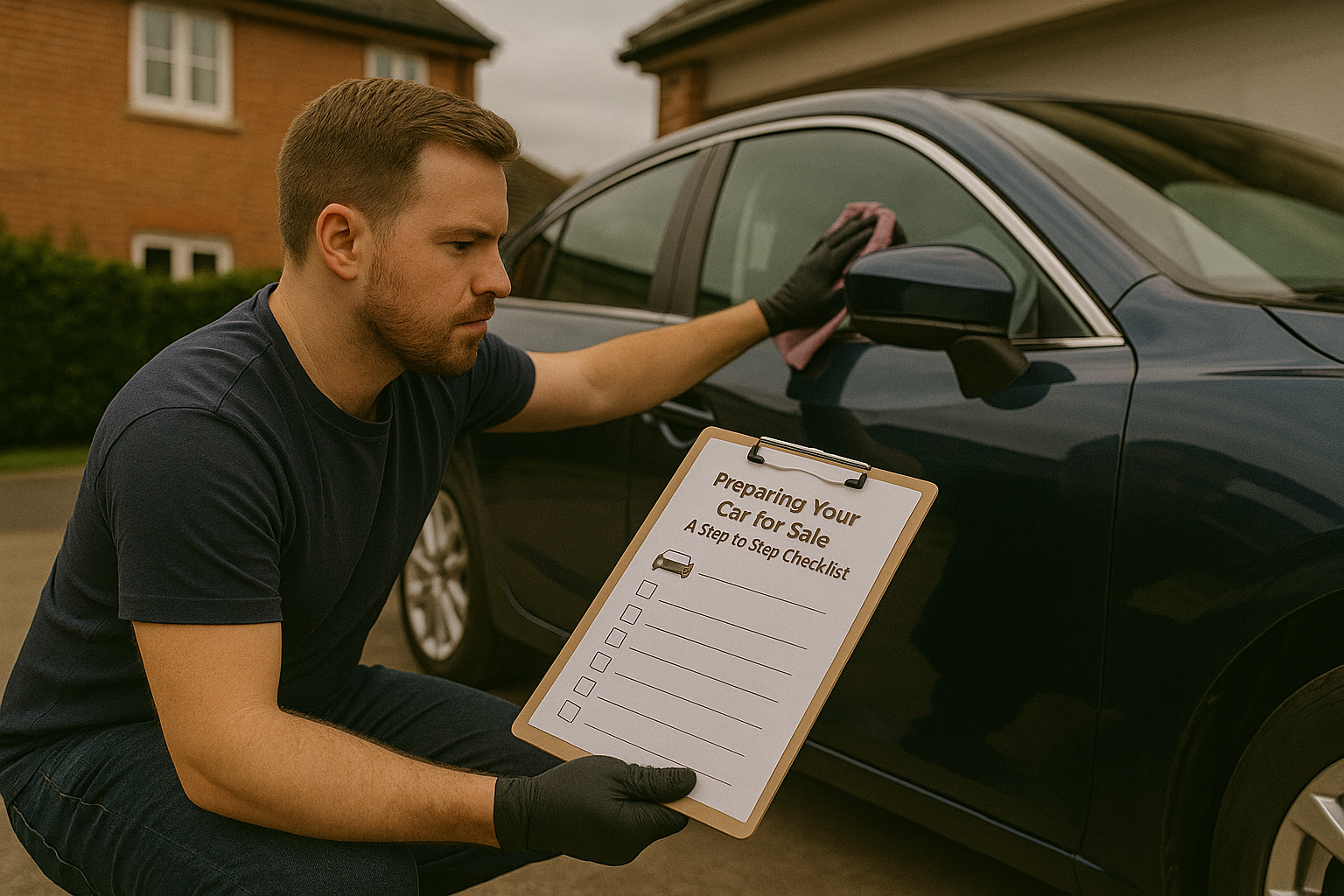
Getting ready to sell a car isn’t just about throwing an advert online and hoping for the best. Those who take the time to prepare properly often find the sale is quicker, smoother, and far more profitable. By preparing a car for sale in the right way, sellers prove to potential buyers that the vehicle has been cared for, a factor that can add hundreds of pounds to the final deal.
A car sale checklist is the best way to make sure nothing gets overlooked. Think of it as a mechanic’s job sheet. From gathering the paperwork to fixing niggles under the bonnet, every small detail adds to the car’s appeal. More than once, cars that were ignored in online listings suddenly sold in a matter of days, simply because the owner put in the extra effort beforehand.
Why Preparation Matters
Buyers form an impression of a car almost immediately. The smell when the door first opens, the shine (or lack of it) on the paintwork, the condition of the tyres, all these factors influence whether a buyer feels confident or suspicious. A car that looks like it’s been looked after gives peace of mind. A car that looks neglected makes people worry about hidden issues.
By investing in preparation, sellers can:
- Build trust with buyers who may otherwise hesitate.
- Increase the perceived value by showing the vehicle in its best light.
- Speed up the selling process by eliminating obvious buyer objections.
One example stands out in many local communities: a tired-looking Vauxhall Astra that had sat online for weeks without a single viewing. After a wash, polish, and a new air freshener, it sold within days at a fair price. Preparation doesn’t guarantee a premium, but it always tips the scales in the seller’s favour.
Step 1: Gather the Paperwork
Before a buyer even sees the car, paperwork is what proves legitimacy. Without it, most people won’t even bother viewing. Essential documents include:
- V5C logbook – establishes ownership and is required for any transfer.
- MOT certificates – show the vehicle is roadworthy and up-to-date.
- Service history – stamps or receipts reassure buyers that maintenance has been consistent.
- Instruction manuals and spare keys – the little extras that demonstrate care.
Missing paperwork can delay or even kill a deal. Buyers don’t want to take risks. For those uncertain about what’s required by the DVLA, our guide on the documents needed to scrap a car offers a clear breakdown, much of which also applies to car sales.
Step 2: Give It a Deep Clean
Cleanliness sets the tone. A spotless vehicle suggests pride of ownership, while a messy one raises questions about how well it’s been maintained. The difference between a clean and dirty car is often the difference between selling at market value and being haggled down.
Exterior tasks:
- Wash thoroughly, including the wheel arches and under the sills.
- Polish the paintwork for shine and protection.
- Clean the windows inside and out.
- Apply tyre dressing for a fresh, cared-for look.
Interior tasks:
- Vacuum carpets, mats, and upholstery.
- Wipe down dashboards, steering wheels, and door cards.
- Clean vents to remove dust and old odours.
- Empty the boot and glovebox.
Presentation is everything. It’s the same principle as tidying a garden before a house viewing. If a car is beyond saving, it may be easier to get a quote to scrap your car instead of attempting to mask deeper issues.
Step 3: Fix Minor Issues
A long list of minor faults quickly gives buyers bargaining power. Tackling them before the viewing keeps the seller in control of the price.
- Replace any blown bulbs, indicators, brake lights, and sidelights are cheap to fix.
- Fit new wiper blades if streaking occurs.
- Check tyre tread depth and pressures.
- Repair loose trims, badges, or small plastic fittings.
No one expects perfection in a used car, but attention to detail signals responsibility. Neglecting these small jobs hands buyers an easy excuse to chip away at the asking price.
Step 4: Check the MOT and Servicing
An MOT is often the make-or-break detail. If a test is due within the next couple of months, securing a fresh one is recommended. It removes uncertainty for the buyer.
Basic servicing also helps. An oil and filter change costs little but proves ongoing care. Brake fluid, coolant, and screenwash levels should also be checked. Preparing in this way is like polishing a pair of shoes before a job interview, subtle, but it sets the right impression.
If the car has failed its MOT or repairs are costly, the seller may prefer to sell your car directly through Sell a Vehicle, or even consider scrappage. Both routes save time while still providing fair value.
Step 5: Photograph the Car Properly
With most buyers starting online, photos are often the first, and sometimes only, chance to make a connection. Poorly lit, grainy photos suggest a lack of effort.
Tips for effective photos:
- Take images in natural daylight, preferably early morning or late afternoon.
- Photograph all four sides, plus close-ups of key features.
- Include the dashboard, infotainment system, and boot.
- Show scratches or dents clearly; honesty builds trust.
Buyers scroll through hundreds of listings. Strong, clear photos ensure the vehicle stands out.
Step 6: Decide on a Fair Price
A realistic asking price prevents wasted time. Overpriced cars linger online; underpriced cars sell quickly but lose money. Research helps to strike the right balance.
- Use valuation websites for a starting figure.
- Compare with similar listings in the area.
- Assess the overall condition compared to competitors.
If uncertainty remains, Sell a Vehicle can provide a simple valuation based on condition, age, and mileage, making it easier to market the car fairly.
Step 7: Write a Clear, Honest Description
The written advert should read as straightforward and factual, not exaggerated. Key details include:
- Make, model, year, and trim level.
- Current mileage.
- Service and MOT history.
- Highlights such as upgrades or features.
- Honest notes on scratches, dents, or minor faults.
Exaggeration backfires when buyers see the car in person. Honesty not only avoids disputes but often speeds up the sale.
Step 8: Prepare for Viewings
Once enquiries come in, the car must be ready for inspection. The viewing stage is where trust is either built or lost.
- Have all paperwork ready for inspection.
- Keep the car parked somewhere clean and well-lit.
- Allow test drives only with proof of insurance and always accompany the buyer.
- Be courteous, answer questions clearly, and avoid pushy tactics.
Confidence in the viewing stage is as important as a polished online advert.
Step 9: Handle the Negotiation
Negotiation is part of the process. Few buyers pay the asking price immediately. Sellers who stay calm and patient tend to secure better results.
- Expect lower initial offers.
- Decide on a firm minimum price in advance.
- Avoid appearing desperate, another buyer is usually waiting.
- Use silence strategically; sometimes, saying nothing is the strongest response.
For example, one Toyota Yaris sold at full price because the seller simply smiled and waited after a buyer tried to knock off £500. Silence created pressure, and the buyer backed down.
Step 10: Finalise the Sale
The final step is ensuring the sale is completed properly. This protects both parties and avoids legal or financial issues later.
- Write a receipt signed by buyer and seller.
- Complete the V5C transfer with the DVLA, either online or via post.
- Hand over spare keys and manuals.
- Cancel or transfer the insurance policy.
For help with insurance, see the steps for cancelling your car insurance after a sale.
When to Consider Alternatives
Sometimes, preparation isn’t worth the effort. If the vehicle is old, damaged, or has failed its MOT, private selling may not be viable.
In these cases, it can be better to:
- Scrap your car for quick value.
- Sell your car directly through a trusted network for a guaranteed price.
Both routes cut through the uncertainty of private listings and give sellers peace of mind.
How Sell a Vehicle Supports You
Sell a Vehicle is designed to simplify the process. Whether scrapping a car at the end of its life or selling a relatively new model, the network connects sellers with reliable buyers and recyclers. The goal is always the same: a fair price and a smooth process.
Anyone with questions can easily get in touch for guidance, knowing expert advice is on hand.
Final Word
Following a car sale checklist means every step of preparing a car for sale is covered. From paperwork to polish, every detail works in the seller’s favour. It’s not just about making the car look good; it’s about building trust, speeding up the process, and maximising value.
Think of it like tuning a carburettor back in the day, small adjustments made everything run smoother. A bit of care before the sale ensures handing over the keys is a moment of confidence, not stress.