

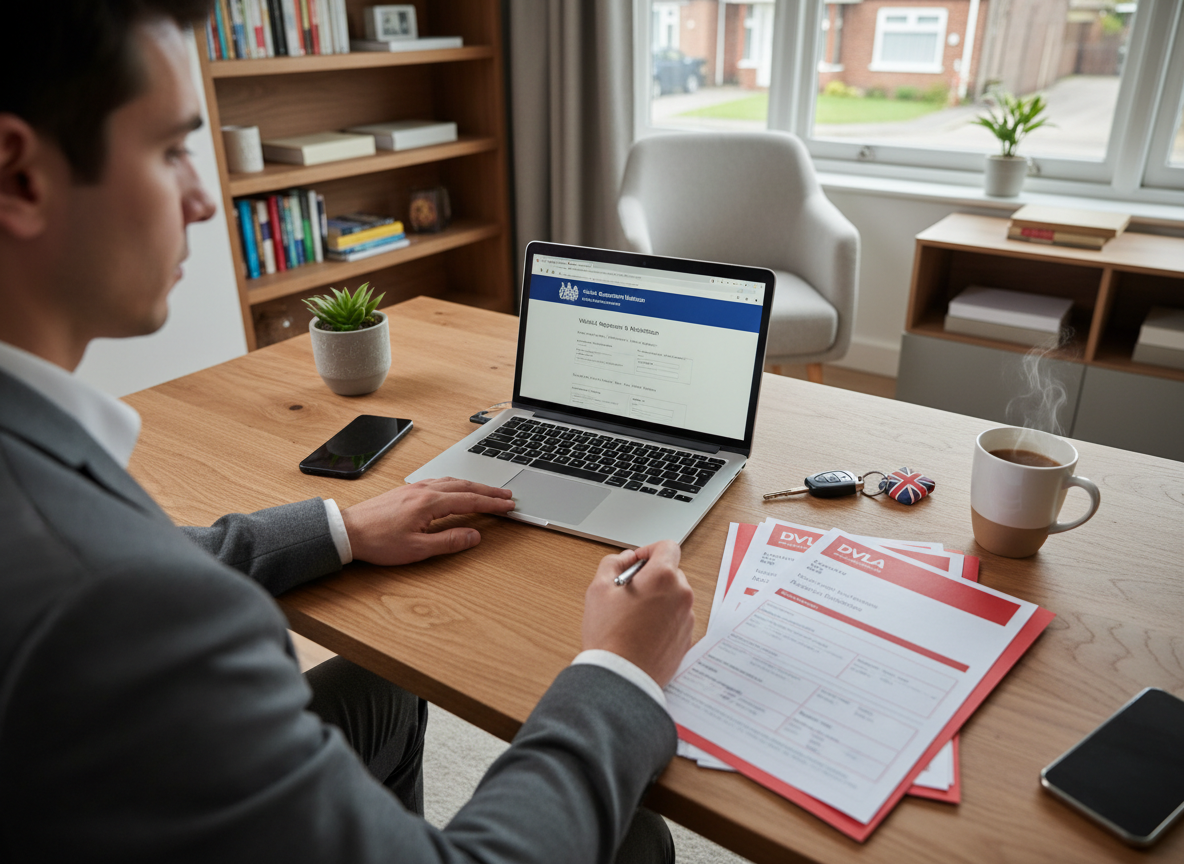
Selling a car marks the end of one chapter and the start of another. Whether it’s parting with an old motor that’s run faithfully for years, or trading in for something newer and shinier, the handover doesn’t end when the keys change hands. The real finish line comes when you notify DVLA sold car and cut the final tie. Until you do that, the DVLA still considers you responsible for the vehicle, tickets, tax, and all.
Many sellers underestimate how important this final step is. It takes just a few minutes, yet failing to tell DVLA sold car has been sold has left countless drivers facing fines, paperwork nightmares, and stress that could have been avoided. This article unpacks the entire process, guiding you through online and postal notifications, scrapping scenarios, and what happens after the DVLA updates its records. Along the way, we’ll look at the common mistakes, the scenarios where people trip up, and how you can stay clear of the pitfalls.
Why Notifying the DVLA Is Critical
On the surface, it seems obvious: once you sell a car, it’s no longer yours. But legally, until the DVLA updates their database, you remain listed as the registered keeper. That has consequences.
Legal and Financial Protection
Failing to notify DVLA sold car leaves you exposed. The DVLA links every vehicle to a named keeper, and that keeper is responsible for tax, penalties, and compliance.
- Avoiding penalties: If your car is caught by a speed camera in another part of the country, the fine heads your way.
- Preventing unpaid charges: Congestion charges, toll roads, and parking tickets don’t vanish simply because you sold the car. Without telling DVLA, they follow your name.
- Protecting against liability: If a buyer drives uninsured or worse, uses the vehicle for something illegal, your details are still attached.
Accuracy Across Agencies
The DVLA’s records link to insurers, the police, and even authorised treatment facilities. Inaccurate data causes delays, disputes, and investigations. By taking five minutes to complete the notification, you ensure every official body recognises the change.
Think of it like locking the door when you move house. Leaving it open might not cause an issue immediately, but sooner or later, you’ll regret not turning the key.
The Two Official Methods
The DVLA provides two legitimate methods for notification: online or by post. Both are straightforward, but the difference lies in speed and convenience.
Online – Quick and Secure
For most people, online is the obvious choice. It takes minutes, and confirmation is instant.
What you’ll need:
- Vehicle registration number.
- V5C logbook with the 11-digit reference number.
- Buyer’s full name and address.
- Date of sale.
Steps to follow:
- Go to GOV.UK and select “Tell DVLA you’ve sold a vehicle.”
- Enter the registration number and reference code.
- Add the buyer’s details.
- Confirm the sale date.
- Submit the form and receive confirmation immediately.
You’ll also receive an email receipt if you provide your address. That confirmation acts as proof that you’ve fulfilled your legal duty.
Postal – The Paper Option
If online isn’t an option, the DVLA still accepts postal notifications.
Steps to notify by post:
- Use your V5C logbook.
- Fill out Section 9 with buyer details and sale date.
- Post Section 9 to DVLA, Swansea, SA99 1BA.
- Keep proof of postage.
The postal method works, but it’s slower. You may wait weeks for written confirmation. Always keep a photocopy or record of what you send.
What Happens Once You Notify
Once you’ve told the DVLA, the wheels turn behind the scenes.
- Buyer receives a new V5C: Their logbook arrives showing them as the keeper.
- You receive confirmation: By email or post, proving you are no longer responsible.
- Refund of unused tax: The DVLA automatically refunds any full months of unused tax.
It’s worth noting that tax no longer transfers with the vehicle. If you’ve prepaid a year and sell after four months, the refund covers the remaining eight. That money often helps offset insurance or fuel costs on your next motor.
The Importance of the Logbook
The V5C logbook is central to the entire process. Without it, you can’t properly notify DVLA sold car. It’s the document that proves you were the registered keeper and allows transfer to the new owner.
Getting a Replacement
If your logbook is lost or damaged, it must be replaced before sale. Without it, most buyers will walk away, and rightly so.
How to replace:
- Online via GOV.UK – quickest route.
- By post using form V62, with a £25 fee.
Selling without a V5C raises red flags. It signals to buyers that ownership transfer may be contested or fraudulent. Always ensure you have a valid logbook before a sale.
Scrapping Your Car and DVLA Notification
Scrapping a vehicle requires a slightly different process. Instead of a simple keeper change, the car is de-registered permanently.
Steps when scrapping:
- Take the vehicle to an Authorised Treatment Facility (ATF).
- Hand over the V5C.
- Receive a Certificate of Destruction (CoD).
- DVLA updates records and closes the file.
The Certificate of Destruction is your proof that the car has been scrapped responsibly. Without it, the DVLA may still treat the car as active, and you remain on record. If scrapping is the route you’re taking, get a quote to scrap your car through our trusted network. It ensures compliance and peace of mind.
Common Errors People Make
Mistakes when notifying DVLA are surprisingly common. The same errors crop up repeatedly.
- Failing to notify at all: The most serious mistake. Never rely on the buyer to do it.
- Incorrect details: Typos in names or addresses cause delays.
- Failure to update your own address: If you’ve moved, update the logbook first, or confirmations may be lost.
- Attempting to sell without V5C: Not only suspicious but technically non-compliant.
Completing the process properly avoids repeat calls, fines, or prolonged disputes. Think of it as torqueing bolts: once you’ve set them to the correct specification, you don’t have to revisit them.
Different Scenarios and Their Requirements
Car sales aren’t always straightforward. How you tell DVLA sold car is sold may vary depending on the circumstances.
Trade-In at a Dealer
Dealers usually manage the paperwork, but responsibility ultimately rests with you. Always ask for written confirmation and chase DVLA for acknowledgement.
Auction Sales
Auction houses typically handle the admin, but sellers should not assume. Verify that the DVLA has updated records promptly.
Inherited Vehicles
Executors must notify DVLA before transferring ownership. It ensures the estate is protected and prevents liability issues.
Selling Abroad
Exporting requires notifying DVLA that the vehicle has left the country. Without this, the DVLA continues to treat you as the keeper within the UK.
Insurance and Tax Considerations
Once you’ve completed notification, don’t forget the associated responsibilities.
- Insurance: Cancel or transfer cover once confirmation arrives. Continuing to pay for a vehicle you no longer own makes no sense. Our guide to cancelling car insurance explains the steps clearly.
- Tax: The refund is automatic, but ensure your bank details are correct with DVLA to prevent delays.
This step completes the circle: you’ve handed over ownership, cancelled insurance, and ensured tax refunds. Only then are you fully free of the old motor.
Regional Considerations
Selling practices don’t change by location, but regional pages help streamline the process for local users. If you’re searching for advice in your area, you can explore regional guidance such as:
These pages connect you directly with services suited to your area, while the DVLA process remains the same nationally.
The Consequences of Delay
It’s easy to underestimate how serious a delay can be. Letters arrive weeks or months after a sale, dragging sellers into disputes they should never face. Some end up proving ownership dates with receipts, bank statements, or even witness testimony. A five-minute online form would have prevented all of it.
One memorable case involved a motor sold in April but not declared. By June, unpaid fines stacked up to nearly £1,000 before the seller managed to prove the timeline. Months of stress, endless phone calls, and unnecessary expense were the price of a job left undone.
Step-by-Step Recap: How to Notify DVLA Sold Car
To keep things simple, here’s the practical checklist:
- Gather documents – V5C, reg number, buyer’s details.
- Choose your method – online (preferred) or post.
- Submit details to DVLA.
- Receive confirmation.
- Cancel insurance.
- Await tax refund.
- For scrapping, ensure you hold a Certificate of Destruction.
This process applies in every scenario and should be treated as the final step of any car sale.
Looking Ahead After the Sale
Once the notification is complete, your attention turns to the next step. Whether you’re upgrading, downsizing, or walking away from car ownership altogether, the process doesn’t have to be complicated.
If you’re ready for your next move, you can find out how to sell your car through our network for the best deal. Or if you’re considering disposal, get a quote to scrap your car.
Need tailored help? You can always contact us for advice on your specific situation. From logbooks to DVLA forms, we make sure you’re not left with unanswered questions.