

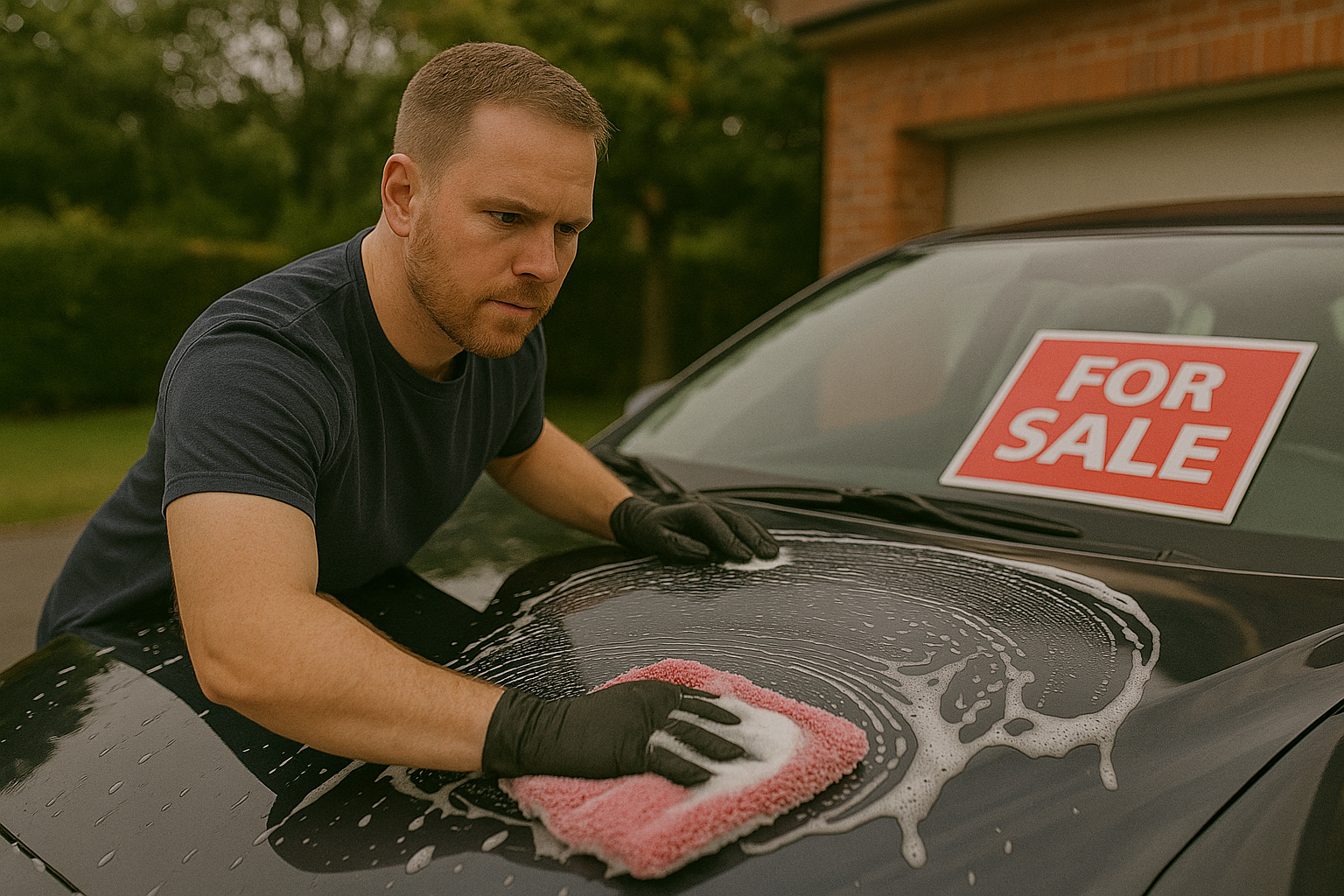
Most drivers want to squeeze every last pound from a motor when the time comes to part ways. The good news is, it doesn’t take deep pockets or flashy upgrades to increase car value. Instead, it’s the straightforward fixes and thoughtful presentation that make the difference.
Buyers care about what they see, what they smell, and what they can trust. A tidy cabin, a fresh MOT, and a neatly presented service record can all lift used car value far beyond the book price. Think of it as a tune-up, not just under the bonnet but in how the vehicle is shown to the world. Small details add up, and they can be the reason a buyer pays more, or quietly walks away.
Why Presentation Matters for Used Car Value
The human mind works on first impressions. A car parked on a driveway, sparkling in the sun, with tyres blackened and windows shining, looks loved. Buyers instantly connect care with quality. Contrast that with a dusty dashboard, worn mats, and a boot cluttered with old shopping bags, confidence drops before the engine has even started.
A case often recalled among traders involves an ageing Ford Fiesta. On paper, its mileage was high and its paintwork less than perfect. Yet, after a thorough valet, a replacement light bulb, and some affordable wheel trims, it sold for £700 more than comparable listings. The takeaway is clear: used car value isn’t only about mechanical condition; it’s about buyer psychology.
Think of presentation like polishing boots before an interview. The shoes don’t change who the person is, but they influence how others respond. Cars are the same. A buyer sees cleanliness and assumes reliability. A neglected appearance sparks doubts about everything else.
Step 1: Deep Clean, Inside and Out
A sparkling car is often the simplest way to increase car value. Even vehicles more than a decade old benefit from a good scrub. Cleanliness signals care, and care suggests reliability.
Interior checklist:
- Vacuum seats, carpets, and mats.
- Wipe plastics, dashboards, and vents.
- Treat stains with upholstery cleaner.
- Empty the boot completely.
- Add a subtle air freshener, never overpowering.
Exterior checklist:
- Wash thoroughly, paying attention to wheels and arches.
- Wax or polish paintwork to restore shine.
- Clean windows inside and out.
- Treat trims with restorer.
- Pressure-wash the underside if possible.
Professional valeting services range from £50 to £150, but the return can be several times that amount. For those who prefer DIY, even basic soap and elbow grease can make an enormous difference.
Analogy: Cleaning a car before selling is like setting a table before guests arrive. The meal might taste the same, but presentation shapes the experience.
Step 2: Tackle Small Mechanical Jobs
No buyer wants a ready-made to-do list. Small mechanical issues become easy excuses to negotiate downwards. Sorting them beforehand shows commitment and prevents haggling.
Cheap fixes worth tackling:
- Replace worn wiper blades.
- Top up essential fluids (oil, coolant, washer fluid).
- Pump up tyres and check tread depth.
- Replace missing caps or trims.
- Oil squeaky hinges.
One overlooked point is dashboard lights. Even a minor engine management light makes potential buyers nervous. Clearing such warnings, if affordable, is a fast way to lift used car value.
Step 3: Fresh MOT and Basic Servicing
A recent MOT certificate often seals the deal. It proves the vehicle is roadworthy and spares the buyer an immediate bill. Cars without valid MOTs are typically worth much less.
An interim service, including oil, filters, and spark plugs, adds another layer of reassurance. Buyers might not peer into the sump, but they notice how smoothly the car runs.
Important consideration: If the car fails its MOT and repairs are extensive, weigh the cost against the likely increase in value. In many cases, the better choice is to sell your car as it stands or get a quote to scrap your car instead of pouring money into diminishing returns.
Step 4: Cosmetic Touch-Ups
Small visual improvements carry weight. Buyers aren’t only purchasing transport; they’re buying pride of ownership.
Affordable improvements:
- Touch-up paint for scratches (£10–£20).
- Replacement hubcaps (£25–£40 for a set).
- Restored headlights for clear vision.
- Fresh number plates.
- Clean or replaced mats.
Imagine meeting two identical cars. One has cloudy headlights and chipped plates, while the other shines with minor cosmetic care. Most buyers choose the latter, even if both drive the same.
Step 5: Sort the Paperwork
Paperwork isn’t glamorous, but it’s powerful. A tidy, organised folder boosts used car value far more than expected.
Essential documents include:
- V5C logbook (proof of ownership).
- MOT certificates.
- Service history (even minor receipts).
- Manuals and spare keys.
A complete service history can add up to 20% to a vehicle’s resale price. Even partial records lift confidence. For reference, see our guide on the documents needed to scrap a car. The same principles apply when selling.
Step 6: Highlight Features and Upgrades
Extras make cars stand out. Even standard features on modern vehicles appear appealing on older models.
Value-boosting examples:
- Functioning air conditioning.
- Infotainment systems or sat nav.
- Alloy wheels.
- Parking sensors or cameras.
- Recent upgrades like tyres or timing belts.
Listing these openly reassures buyers. Maintenance records, in particular, become strong bargaining chips.
Step 7: Take Quality Photos
Photos sell cars long before viewings begin. Listings with crisp, honest images consistently achieve higher responses.
Photography checklist:
- Daylight, clear weather.
- Full car shots: front, back, both sides.
- Interiors, boots, and dashboards.
- Close-ups of upgrades.
- Visible blemishes (to show honesty).
Poor images suggest corner-cutting. Buyers scrolling through endless adverts stop at photos that shine.
Step 8: Set a Fair Price
Pricing is where preparation meets profit. Aim too low, and money is lost. Set too high, and buyers walk away.
Steps to get it right:
- Check online valuation tools.
- Compare with local listings.
- Factor in mileage, age, and condition.
- Price slightly above the lowest acceptable number.
Using trusted sources ensures accuracy. To streamline the process, find out how to sell your car through instant valuations across a reliable network.
Step 9: Be Honest in Your Advert
Trust remains the cornerstone of car sales. Inflated descriptions collapse during inspection, often losing a sale entirely.
Solid adverts include:
- Year, make, and model.
- Accurate mileage.
- MOT and service records.
- Honest condition notes.
- Clear pricing.
If a dent exists, disclose it. Buyers who know upfront rarely mind minor issues. Buyers who discover surprises during a viewing nearly always walk away.
Step 10: Prepare for Viewings and Negotiation
Presentation during viewings matters as much as in photos. A clean, well-prepared car increases confidence.
Provide documents, accompany test drives, and keep calm during negotiations. Buyers often start low, but confidence, and patience, brings better results.
When Increasing Value Isn’t Worth It
Not every car is worth the effort. Vehicles approaching the end of their usable life may swallow more cash than they return.
Options in such cases include:
- Scrap your car for guaranteed payment.
- Sell your car in current condition without extra spending.
Both save time, money, and unnecessary stress.
How Sell a Vehicle Supports You
Sell a Vehicle helps drivers maximise results, whether through private sale or scrapping. The network offers instant valuations, competitive offers, and a smooth process.
If unsure about the best approach, drivers can get in touch for straightforward advice tailored to their circumstances.
Final Word
To increase car value, the secret lies in presentation, paperwork, and preparation. Expensive modifications aren’t necessary. Instead, focus on small fixes, clean finishes, honest adverts, and buyer trust. These efforts create confidence, and confidence sells.
Boosting used car value is like tuning a classic engine. Each adjustment sharpens the experience, and together they create something that feels reliable, desirable, and ready for a new chapter.