

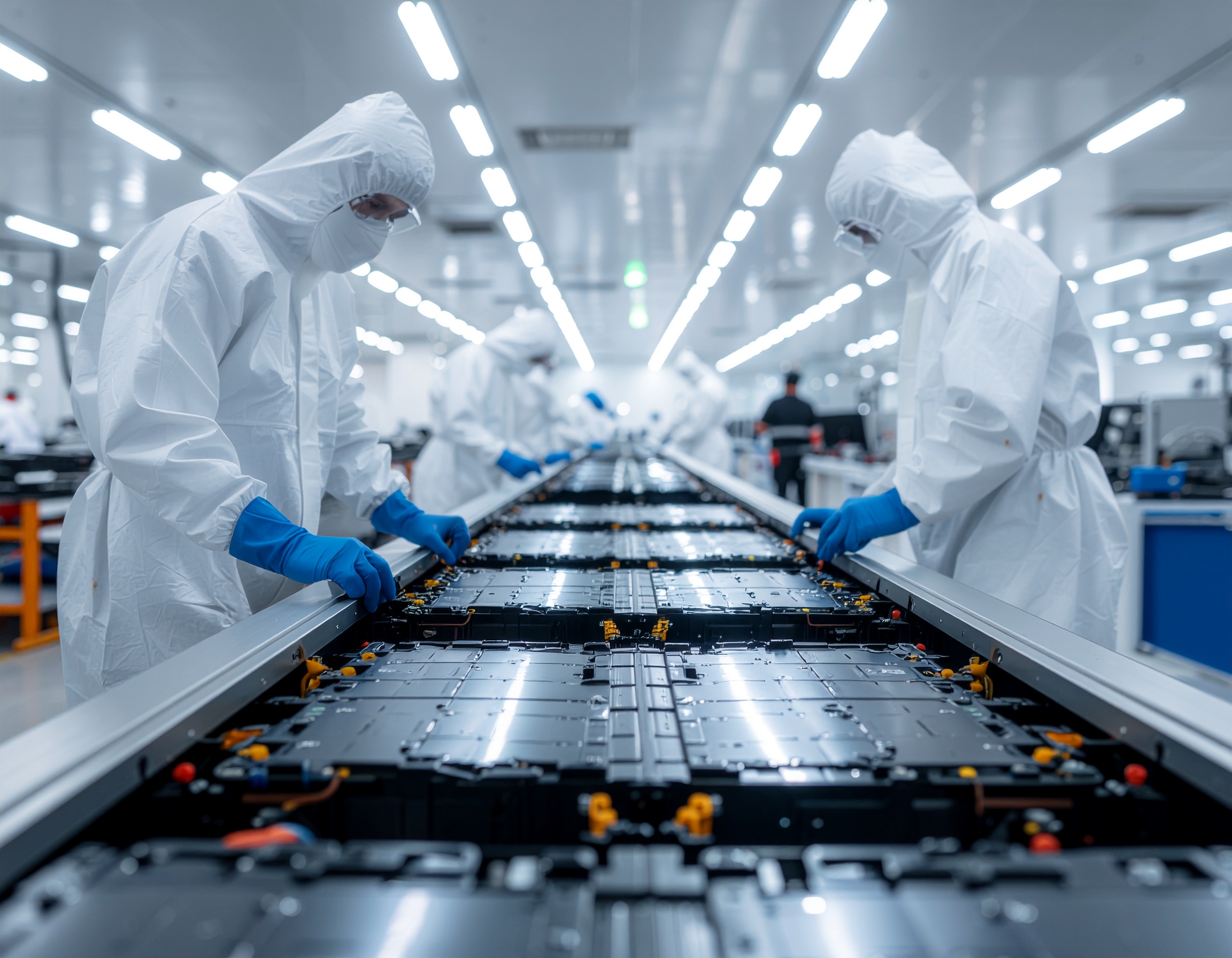
Electric cars are arriving on Britain’s roads at record speed. Quieter, cleaner, and often cheaper to run, they’re shaping the next chapter of motoring. But there’s a part of the story that rarely gets attention: what happens when the car reaches the end of its life. Scrapping an electric car isn’t as simple as flattening it into a cube of steel. The real challenge lies in the battery, a heavy, high-voltage box packed with valuable metals and potentially hazardous chemicals.
Appropriately handled, those batteries are a goldmine. They can be recycled, repurposed, and fed back into the supply chain. Handled poorly, they’re a ticking time bomb for the environment. The truth is, EV battery recycling isn’t just an option. It’s essential.
The growing problem of EV battery waste
The more EVs we see on the road today, the more batteries we’ll need to deal with tomorrow. Each pack can weigh hundreds of kilograms and contain chemicals that would wreak havoc if they leaked into soil or groundwater.
Yet inside those batteries are highly valuable resources: lithium, cobalt, nickel, and manganese. Throwing them into a landfill would be like ripping copper piping out of a house and dumping it in a skip.
Key points:
- EV batteries are far too hazardous to throw away.
- They contain rare and valuable metals.
- Recycling keeps those resources in circulation.
For drivers, this means planning ahead. If your EV is nearing the end of its useful life, get a quote to scrap your car through Sell a Vehicle. You’ll know it’s handled safely, and you’ll get paid fairly.
What makes EV batteries different?
Scrapping a conventional petrol or diesel car usually involves pulling the starter battery and draining fluids. It’s fairly routine. An EV battery is a different beast altogether.
- Weight and size: packs range from 300–600kg.
- Chemistry: lithium-ion technology with a cocktail of valuable metals.
- Residual energy: even when considered “dead,” cells can still hold charge, making them dangerous without specialist equipment.
This isn’t a job for your local backstreet garage. EV packs demand protective gear, strict safety protocols, and professional knowledge.
Key points:
- EV batteries are heavy, complex, and hazardous.
- They need specialist handling to avoid fire and shock risks.
Inside the EV battery recycling process
Once an electric car reaches end of life, the recycling process kicks in. It follows several key stages designed to recover as much value as possible while minimising risk.
1. Disassembly and sorting
Specialist teams dismantle the battery pack, separating modules and cells. Usable cells can be repurposed for “second life” use in stationary storage, think powering homes or balancing renewable energy grids. The rest move on for material recovery.
2. Materials recovery
Two methods dominate:
- Hydrometallurgy: dissolving materials in acid, then separating metals through chemical extraction.
- Pyrometallurgy: smelting batteries at high heat to separate materials by melting point.
Both have their pros and cons, but the goal is the same: salvage lithium, cobalt, nickel, and manganese for reuse in new EV batteries.
Key points:
- Safe disassembly is the first step.
- Recovery uses hydrometallurgy or pyrometallurgy.
- Aim: reclaim high-value metals for reuse.
Why EV battery recycling matters
There are three core reasons recycling can’t be ignored:
- Reduce mining: extracting lithium and cobalt is damaging to ecosystems and often comes with human rights concerns.
- Prevent pollution: dumping batteries risks toxic leaks into soil and waterways.
- Cut waste: landfill space is scarce, and wasting reusable metals drives costs higher.
I had a neighbour once with an ageing hybrid. He thought about just leaving the battery inside when scrapping. After a bit of advice, he realised the risk: one leaking pack could poison the ground for years. He chose a licensed recycler and even earned money back from the recovered materials.
Key points:
- Recycling reduces destructive mining.
- Prevents long-term pollution.
- Turns waste into a resource.
Challenges in scrapping an electric car
The system isn’t perfect yet. There are hurdles still to clear.
- Design differences: each manufacturer uses different layouts and chemistries, making recycling more complex.
- Costs: at present, recovery can be more expensive than mining.
- Infrastructure gaps: the UK needs more facilities able to handle EV packs safely.
Key points:
- Lack of standardisation slows down recycling.
- Costs must come down for competitiveness.
- More specialist plants are required.
The future of EV battery recycling
Innovation is moving fast. Start-ups are exploring “direct recycling,” which preserves cathode structures instead of breaking everything down into base metals. This saves energy and keeps performance intact.
Governments are stepping in too. The EU is introducing rules forcing manufacturers to recycle a minimum percentage of critical materials. The UK is expected to follow suit, tightening regulations to make carmakers responsible for batteries at the end of life.
Key points:
- Innovation is creating cleaner, more efficient recycling methods.
- Regulation is pushing manufacturers to take responsibility.
- The long-term goal is a circular economy for EV batteries.
What EV owners can do
Even if scrapping feels years away, EV owners should plan for the end.
- Dispose responsibly: always use authorised recyclers or manufacturer take-back schemes.
- Choose sustainable brands: support carmakers that invest in ethical sourcing and strong recycling commitments.
- Stay informed: the industry is evolving quickly, and consumer pressure helps drive improvements.
Key points:
- Always use licensed channels for disposal.
- Support brands with sustainable practices.
- Keep up with recycling developments.
If you’re unsure about paperwork, check our guide on the documents needed to scrap a car.
Key takeaways
- Scrapping an electric car requires specialist handling because of its battery.
- EV battery recycling involves the disassembly, recovery, and reuse of valuable materials.
- Recycling matters for sustainability, pollution prevention, and resource conservation.
- Challenges remain, but innovation and regulation are driving progress.
- Owners can help by disposing responsibly and supporting sustainable manufacturers.
Next steps
If your EV is nearing the end of the road:
- Get a fair scrap quote through Sell a Vehicle.
- Make sure the recycler handles EV batteries safely and follows regulations.
- Prepare your paperwork, see our scrap car documents guide.
- Don’t forget to cancel your car insurance once it’s gone.
- Contact us if you’d like guidance on safe disposal.
With the right approach, scrapping an electric car doesn’t mean its story ends. Its battery materials could be powering the next generation of cleaner vehicles or storing renewable energy for years to come.