

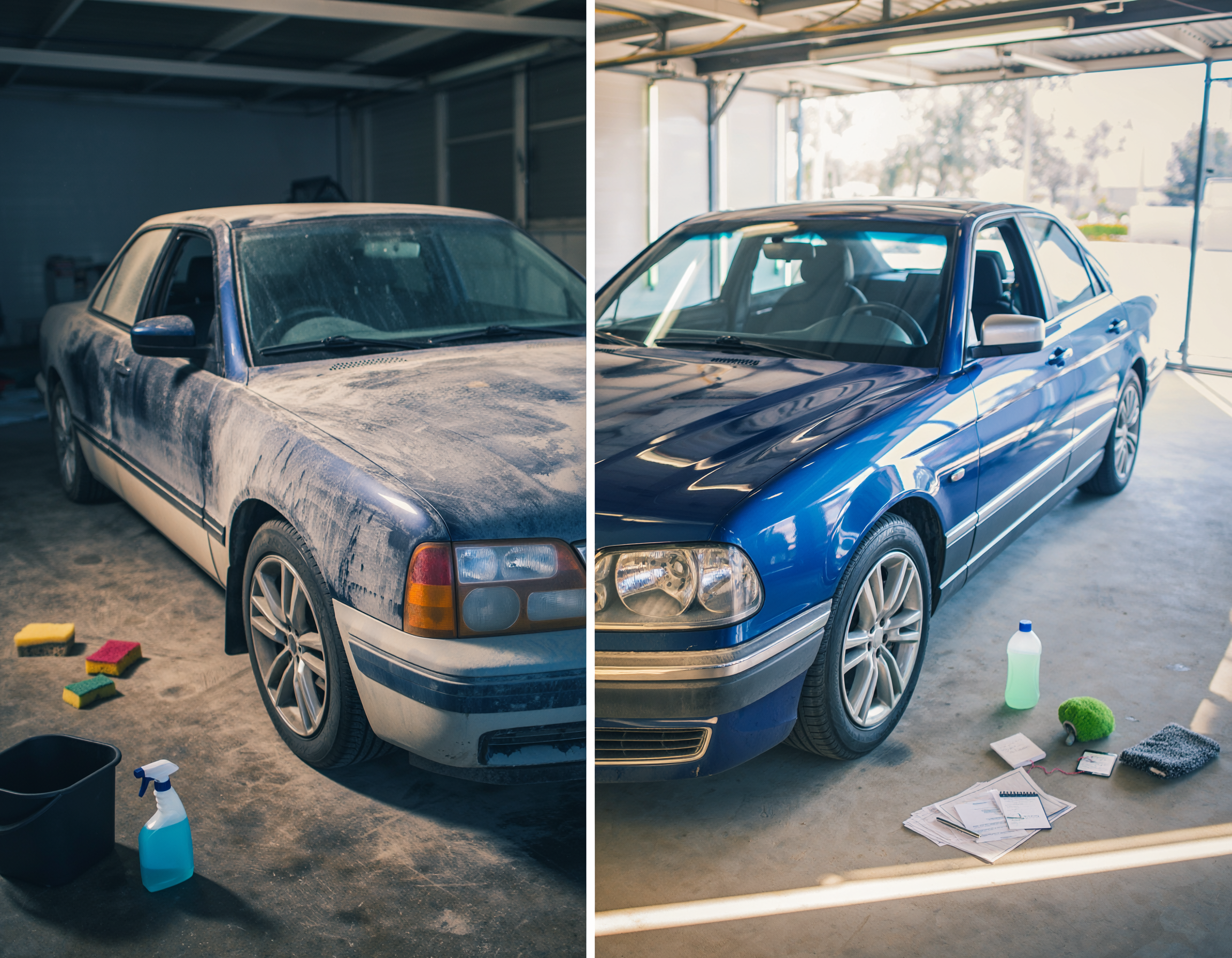
Not every car reaches the end of the road at the same pace. Some are cherished, polished, and kept in showroom condition, while others collect crumbs, dents, and overdue repairs until they barely feel worth saving. Yet whether your motor is heading for a quick sale or its final trip to the yard, there’s one rule that never changes: the better you prepare it, the better your return.
Taking the time to increase vehicle value doesn’t require professional tools or an endless budget. In fact, the steps are surprisingly simple. Presentation, paperwork, honesty, and strategy count for more than most drivers realise. Over the years, countless people have lost out because they rushed a sale, overlooked small details, or assumed that scrap value was fixed. Others put in a little effort and walked away with hundreds more than they expected.
This guide sets out five practical ways to raise your car’s value before selling or scrapping it. They’re the same scrap car tips and preparation methods that experienced mechanics and traders recommend time and again. Follow them, and you’ll stand a far better chance of squeezing more money from your old vehicle, whether it’s sold privately, traded, or scrapped responsibly.
1. Give It a Proper Clean
It may sound obvious, but first impressions make a massive difference. When a buyer or scrapyard staff member sees a filthy, neglected vehicle, they immediately assume it’s been poorly maintained. A clean, tidy car tells a different story: one of care, effort, and respect. Even if the engine’s seen better days, a sparkling finish and tidy cabin make it easier to negotiate a stronger offer.
Why cleaning matters
- Perception: A shiny exterior and fresh interior suggest the car has been cared for mechanically, too.
- Ease of inspection: Buyers can assess the vehicle more easily without dirt hiding flaws.
- Resale potential: Even scrapyards and dealers may pay more for a car that looks ready to process rather than one that needs extra cleaning.
Cleaning checklist
- Wash with car shampoo, not washing-up liquid (which strips wax and damages paint).
- Pay attention to wheels, mirrors, number plates, and bumpers.
- Vacuum under seats, in the boot, and in storage compartments.
- Wipe down dashboards and polish glass surfaces for clarity.
- Use upholstery cleaner on fabric seats and mats.
- Consider a light air freshener to improve the interior feel.
Real-world difference
Two nearly identical vehicles can fetch very different prices. One presented in clean condition can move quickly at fair value, while the same model in dirty, neglected condition often lingers unsold or gets reduced offers. A sponge and vacuum can literally translate into hundreds of pounds of difference.
Pro tip: Even if your car’s heading for the scrap yard, it pays to present it decently. Scrap professionals see value in time saved, and time is money. A tidy car is more likely to command the higher end of the scrap valuation range when you get a quote to scrap your car.
2. Sort Out the Paperwork
If cleaning is about perception, paperwork is about proof. Without documents, you’re asking a buyer or trader to take your word. Most won’t, at least not without knocking money off.
Essential documents
- V5C logbook: Confirms you’re the legal owner. No logbook = major red flag.
- MOT certificate: Demonstrates roadworthiness (or lack thereof if expired).
- Service history: Stamped booklets or digital records reassure buyers that regular maintenance has been carried out.
- Receipts: For expensive work such as cambelt changes, clutch replacements, or new tyres.
Why does paperwork increase value
- Transparency: Buyers feel reassured, which encourages stronger offers.
- DVLA compliance: For scrapping, you must notify the DVLA properly.
- Proof of investment: Receipts for major repairs show the car has been maintained, which can add immediate value.
Selling vs. scrapping paperwork
If you’re scrapping, the legal steps are slightly different. You’ll need to:
- Hand over the V5C logbook (keeping Section 9 or V5C/3).
- Ensure the Authorised Treatment Facility issues a Certificate of Destruction (CoD) within 7 days.
- Notify the DVLA of the vehicle’s disposal.
For full details, check our guide on the documents needed to scrap a car.
Pro tip: Treat the paperwork like a CV for your vehicle. The more complete and organised it is, the more likely it is to boost offers and smooth out negotiations.
3. Fix the Little Things
Big repairs often aren’t worth it when a car’s value is low. But ignoring smaller issues is a common mistake that directly reduces offers. Buyers rarely see “just a bulb” or “just a squeak.” They see costs, inconvenience, and bargaining chips.
Quick wins that add value
- Bulbs: Replace blown headlights, indicators, or interior lights.
- Wipers: Streaky blades can be swapped in minutes for minimal cost.
- Tyres: If tread is borderline, consider a budget replacement.
- Brakes: Fit new pads if they’re worn to avoid squeaks and warning lights.
Why it pays
Minor faults can add up to hundreds off your car’s asking price, even if the fixes cost under £50. A warning light on the dashboard is enough to scare off most private buyers completely.
Example: An ABS light dismissed as “just a sensor” might put off every potential buyer. Replacing the sensor may cost under £100, but failing to do so could knock £300 or more from the offer.
When scrapping
Even when scrapping, a running car that doesn’t need towing or handling as hazardous waste often achieves a better payout. So, fixing cheap issues may bump up the value when you get a scrap car quote.
4. Be Honest About Its Condition
It’s tempting to downplay faults, but buyers are quick to spot dishonesty. Pretending a gearbox whine doesn’t exist or hiding rust under a quick polish will only lead to disappointment or cancellations later.
How honesty helps
- Builds trust: Acknowledging major faults reassures buyers you’re not hiding anything else.
- Smooths the sale: Transparent sellers are easier to negotiate with.
- Reduces disputes: Avoids arguments when buyers inevitably spot the issue.
What to disclose
- Major mechanical issues: Gearbox problems, engine leaks, or suspension damage.
- Crash damage: Past repairs, even if cosmetic.
- Failed or expiring MOTs: Better to state it upfront than let a buyer discover it later.
If honesty makes selling impractical, for instance, if the car’s issues outweigh its value, scrapping may be the better option. Sell a Vehicle ensures you’ll still receive a fair and legal return, even for non-runners.
Pro tip: Small scuffs or scratches don’t need highlighting. Most buyers expect them. Stick to major problems; the rest speaks for itself.
5. Know Your Market
Where and how you sell is as important as the car’s condition. The same vehicle can fetch very different returns depending on the route you choose.
Selling options
- Private sale: Usually the best money, but requires time, patience, and dealing with strangers.
- Dealer trade-in: Quick and convenient, but often the lowest value.
- Scrap sale: Best for end-of-life vehicles, but it pays to shop around for quotes.
Location considerations
- Cities: Competition between scrap yards can push prices higher. For example, scrapping a car in Manchester often fetches more than in rural areas.
- Emission zones: In London, ULEZ rules make older cars less desirable, but also more likely to be scrapped. See scrapping in London for details.
- Midlands market: Scrapping in Birmingham benefits from strong regional networks.
Balancing options
Sometimes, a car that looks scrap-worthy may fetch more when sold for parts or as a fixer-upper. By comparing quotes through Sell a Vehicle’s sell your car service, you’ll know whether private, dealer, or scrap routes offer the best return.
Key Takeaways
- Clean thoroughly inside and out to make a strong first impression.
- Gather paperwork to prove ownership, history, and compliance.
- Fix small issues before buyers use them against you.
- Be upfront about major problems to build trust.
- Choose your market wisely, based on location and car condition.
Each step is simple, but combined they can dramatically increase vehicle value and make the process of selling or scrapping far smoother.
Final Thoughts
Cars aren’t sold or scrapped in a vacuum. Presentation, paperwork, and honesty influence what buyers offer, while knowing your market determines whether you’re leaving money on the table. Even modest preparation makes a big difference when you’re wondering how to sell car for more.
If the process feels like too much hassle, Sell a Vehicle provides instant quotes, nationwide coverage, and guaranteed compliance with DVLA rules. You can get a quote to scrap your car or get in touch for quick advice tailored to your situation.
The bottom line is simple: treat the process with a little care, and you’ll walk away with more money, less stress, and peace of mind knowing the car has been handled properly.